

Esquina Líneas
Entre Líneas explores the space between line and silence, where meaning emerges through tension, rhythm, and layered absence. Moving between the visible and the unspoken, the work invites a slower gaze, allowing perception itself to complete the image.
Through ES · KIE · NA · TIS · ME, I explore what exists Entre Líneas.
Esquina Líneas
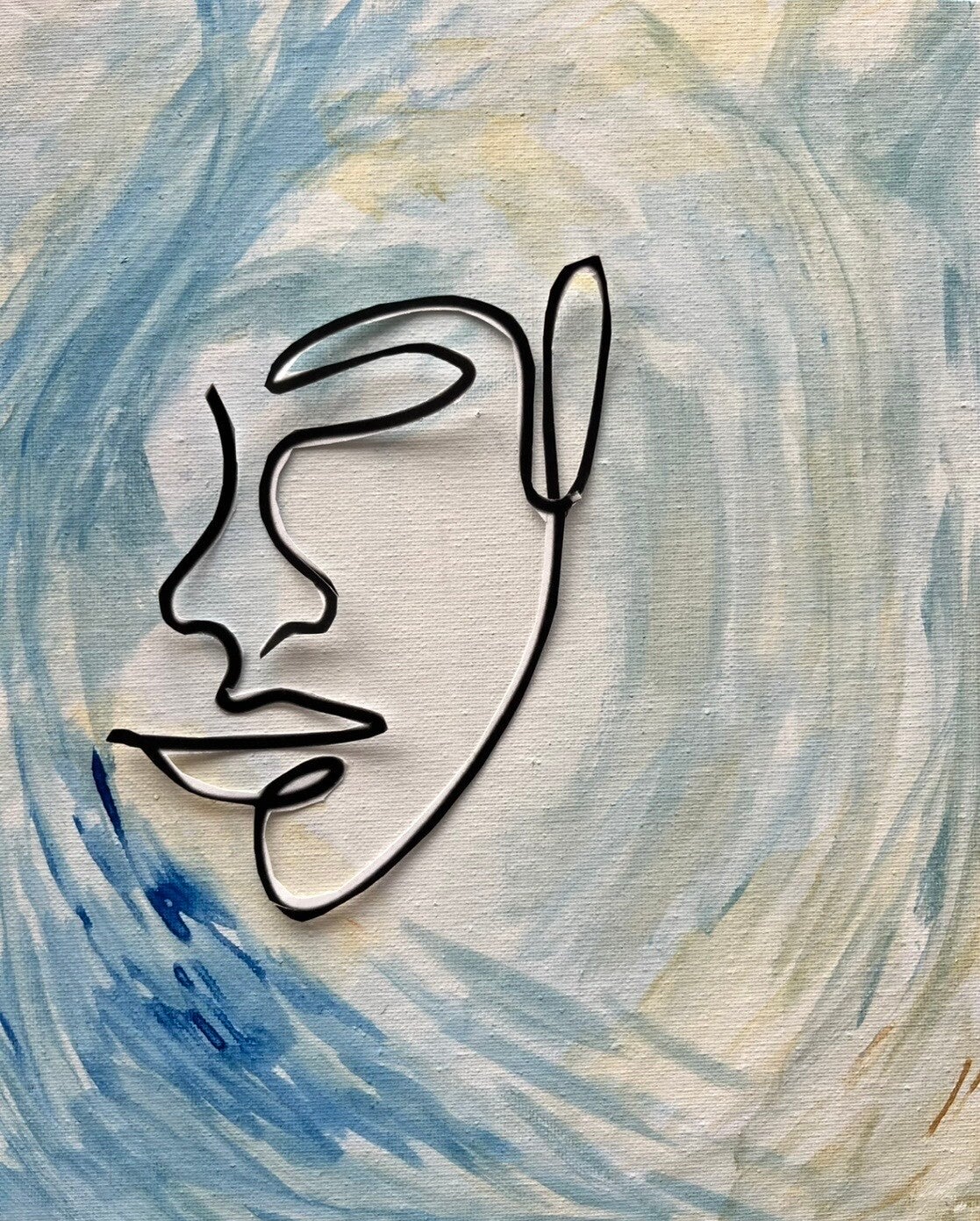
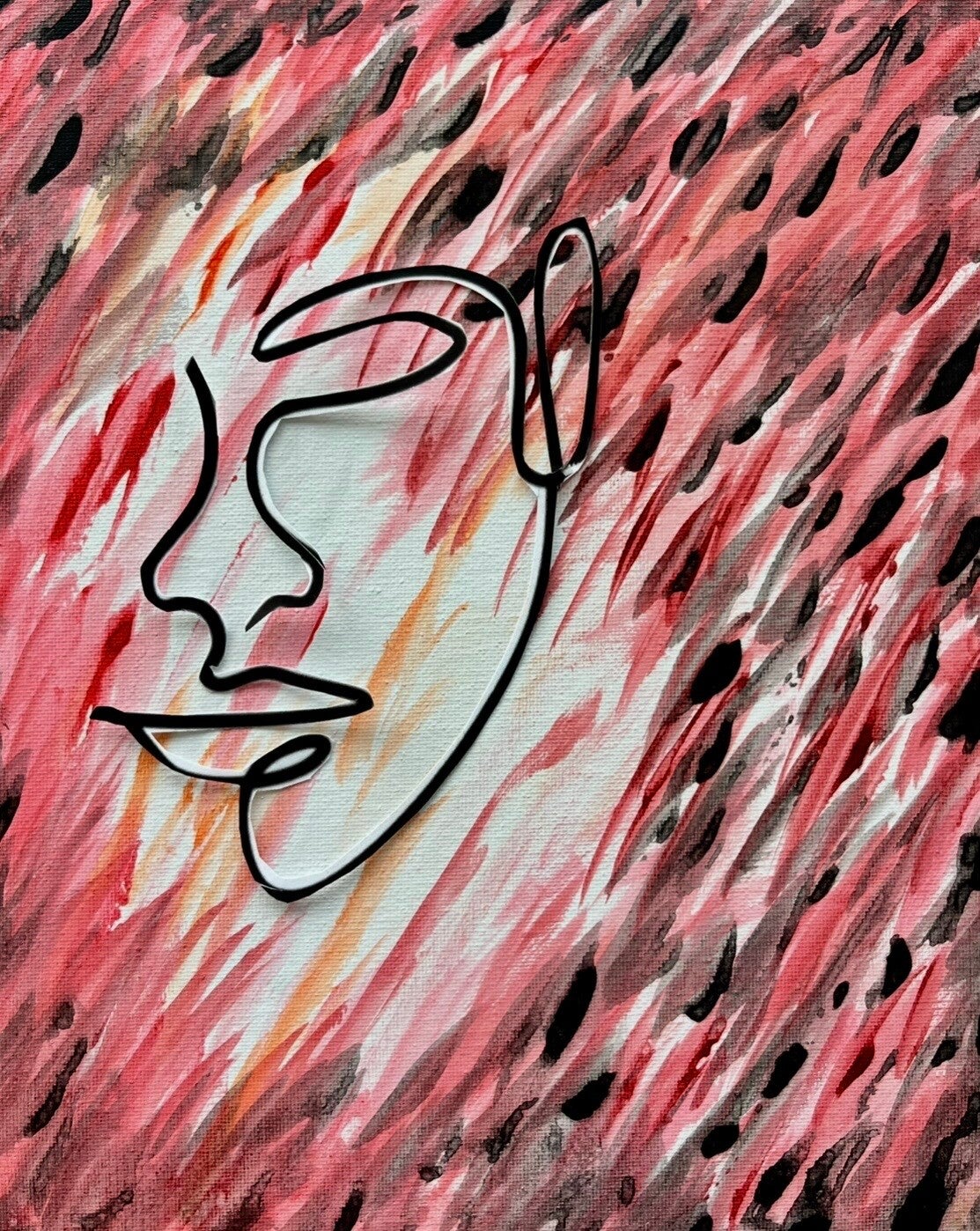
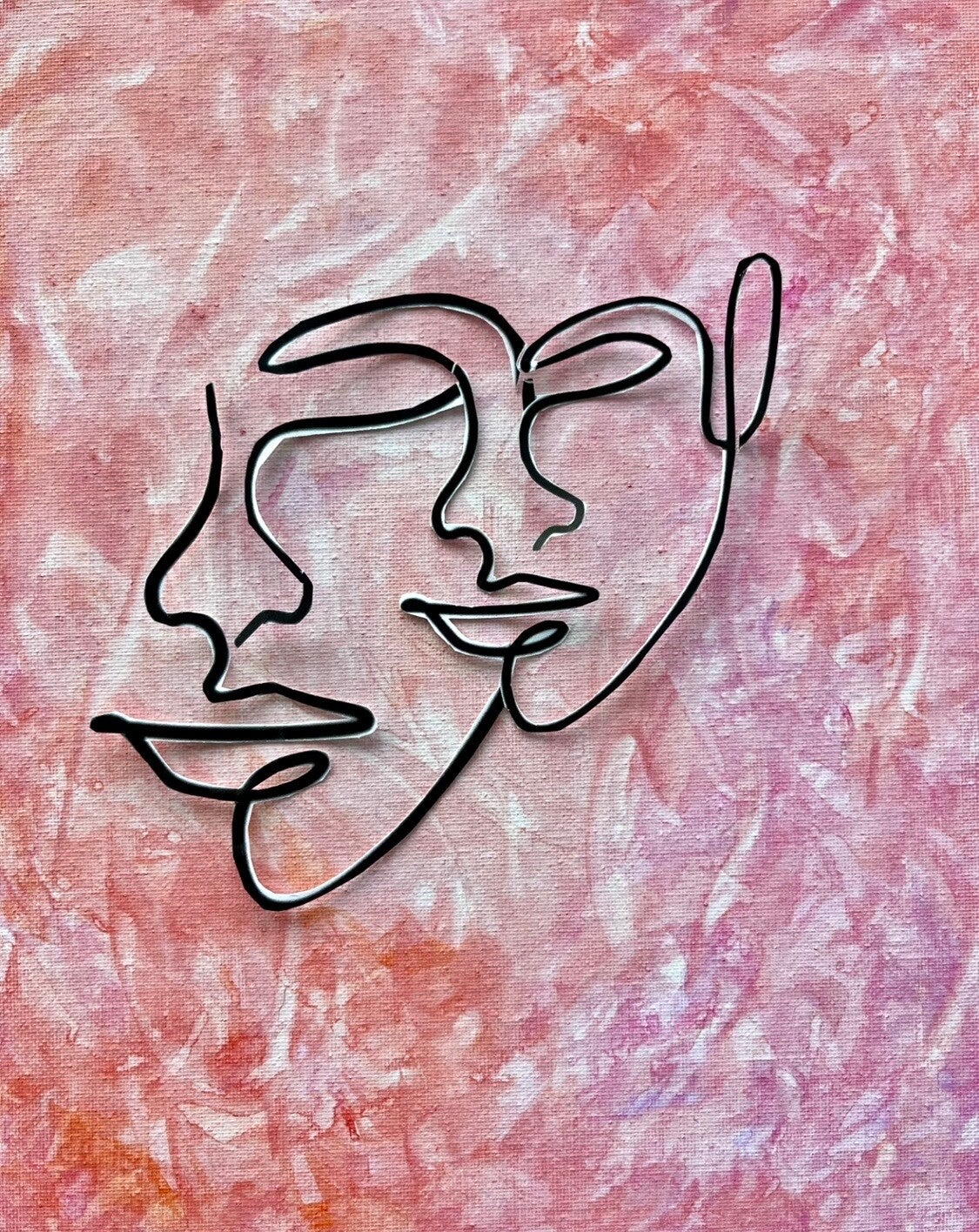
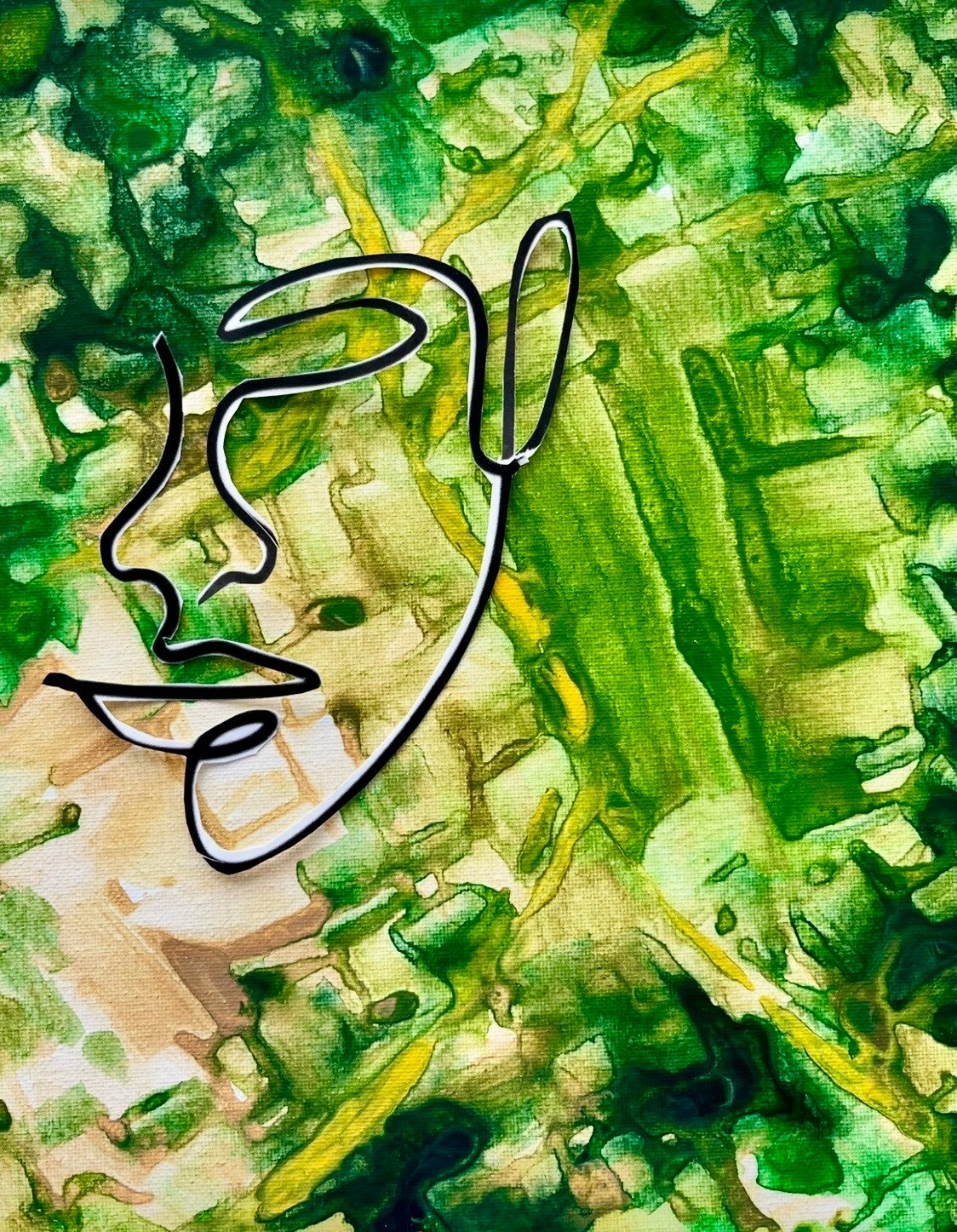
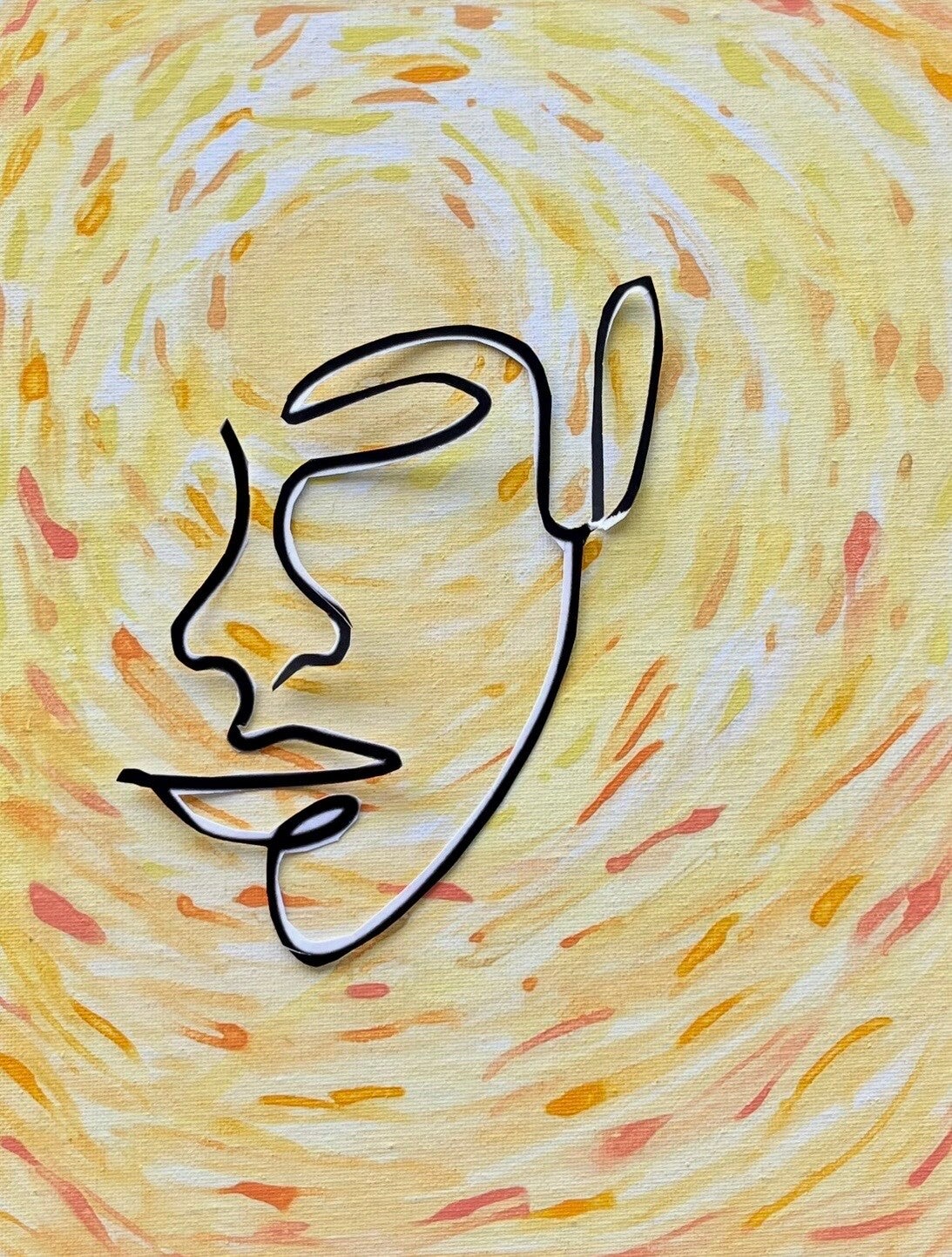
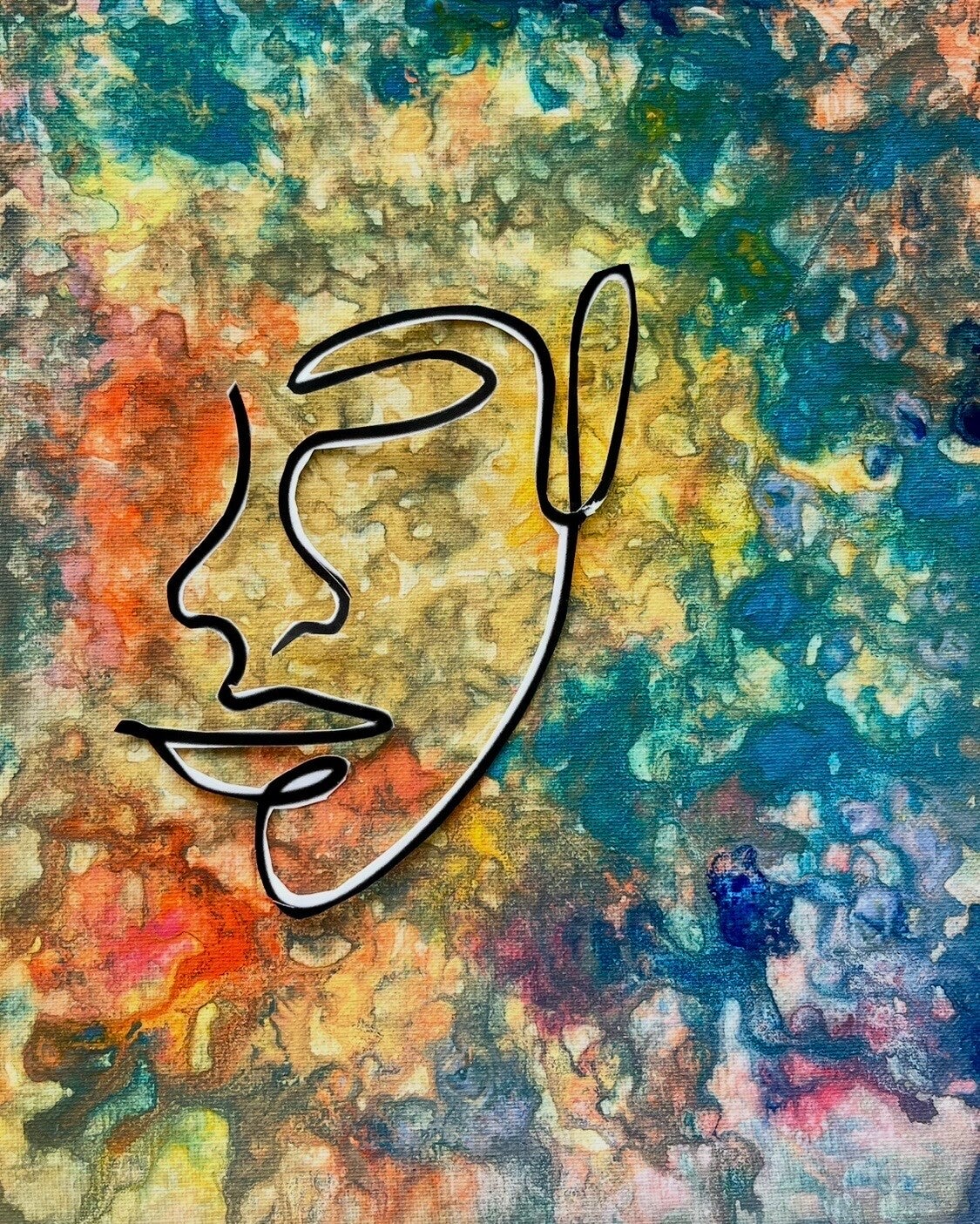
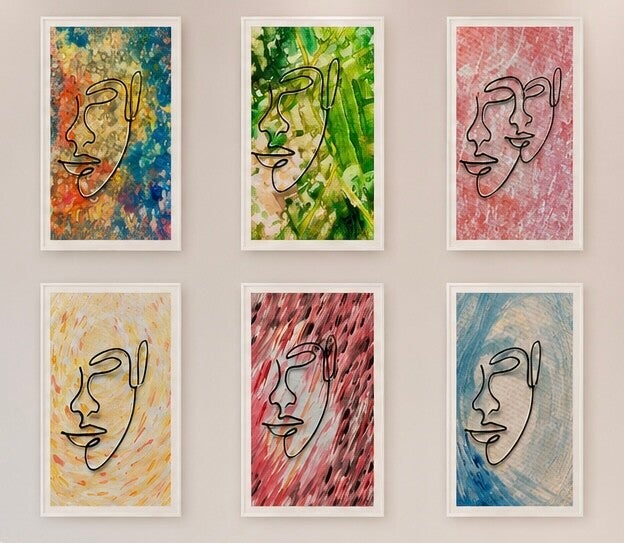
My art begins where everything begins: with a single line. From one movement, form emerges, from form identity is born and from identity, a story unfolds.
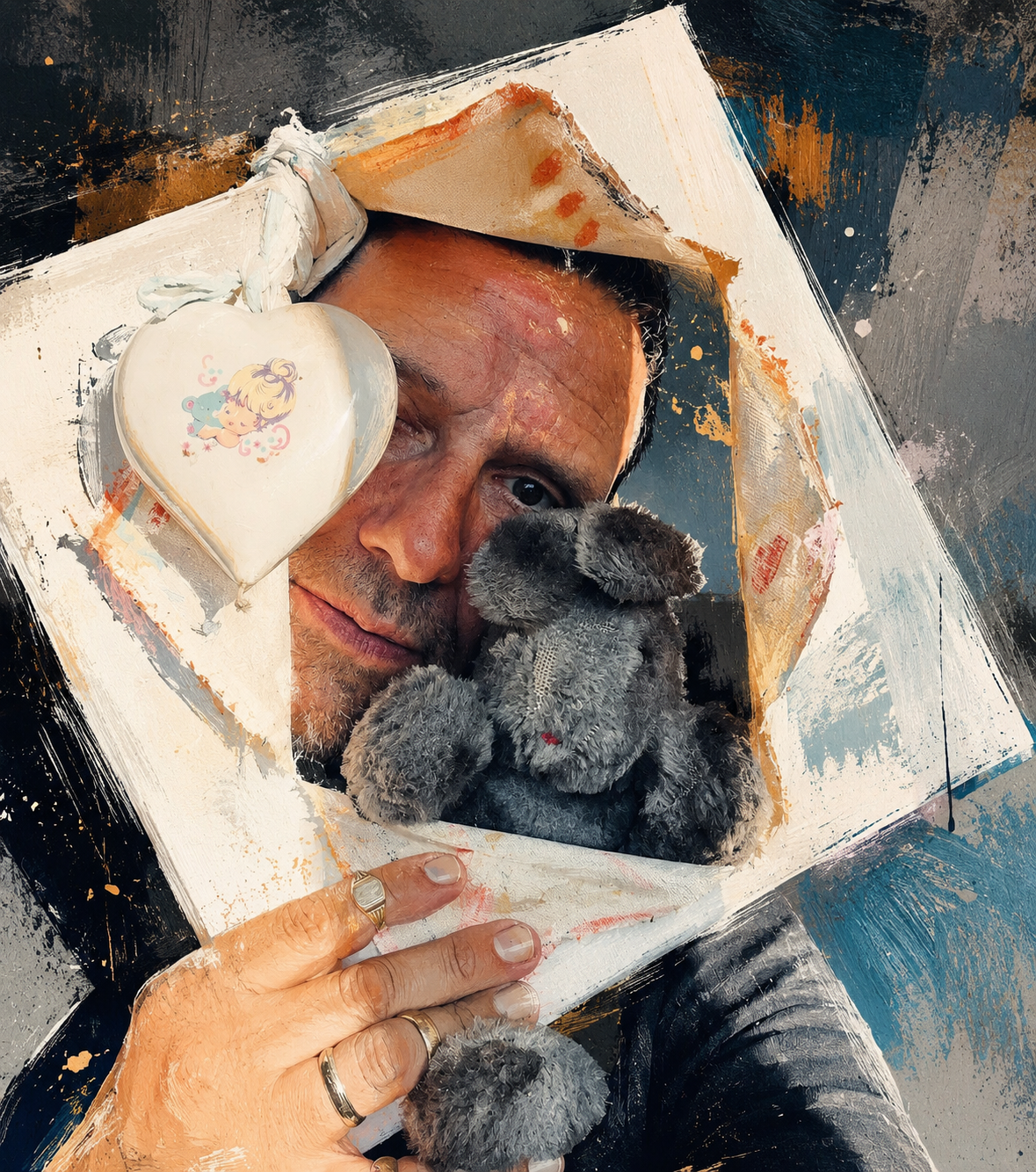
My face is my signature logo that constant travels through different artistic movements and continuously reinvents itself.
Esquina Neocubisma
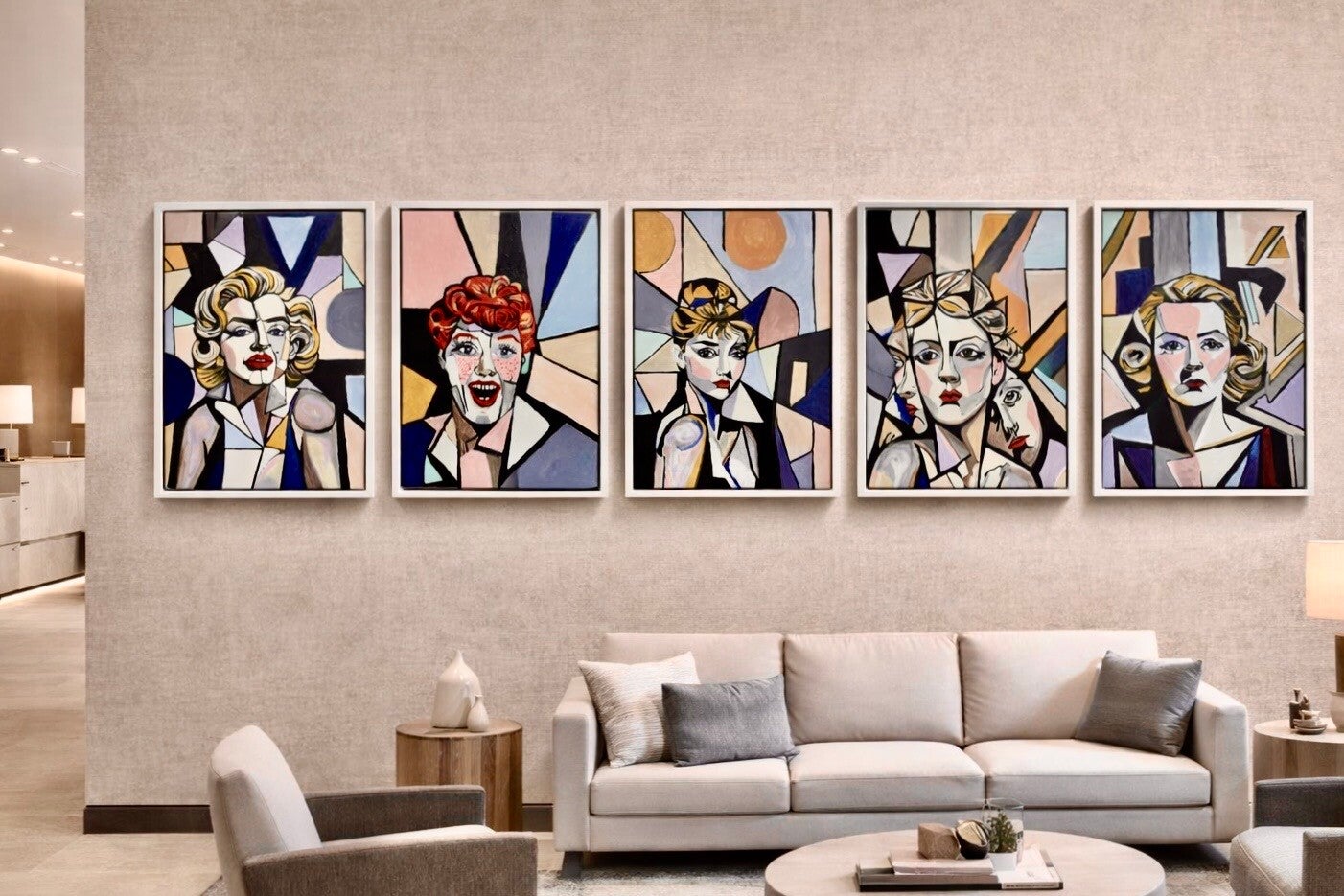
In this series I further extend my "Líneas" into a contemporary form of neo cubism, where lines and planes evolve into portraits. The female figures evoke the timeless icons of a bygone era, translated into a modern geometric visual language.

Marilyn Monroe
1926–1962
American actress, model and cultural icon. She became the symbol of Hollywood glamour, feminine allure and the power of the star image in the 20th century. Her image remains instantly recognizable worldwide.
Personal note:
For years, I used to go to a bar in Ibiza called Norma Jean, run by two lesbian women. One evening I asked: “Which one of you is Norma and which one is Jean?” They laughed. Only then did I discover that this was Marilyn Monroe’s real name. A name folding back into itself, like a line returning through a plane. And who doesn’t remember or has at some point sung…Happy Birthday, Mr. President.

Lucille Ball
1911–1989
American actress, comedian and producer. She transformed television comedy, became one of the first influential female TV producers and showed that humor and business leadership can go hand in hand.
Personal note:
As a child, I was often placed in front of the television and watched her unstoppable laughter, her red hair and her humor, movement translated into rhythm and repetition. In the Netherlands, there was Adèle Bloemendaal: two variations of the same energetic line, drawn across different cultures.

Audrey Hepburn
1929–1993
British actress and humanitarian icon.
Known for her timeless elegance, refined style and her combination of a film career with humanitarian work.
Personal note:
The woman in a black dress. A silhouette reduced to essential lines, as if elegance itself has been drawn down to its minimum geometry. Who didn’t dream of Breakfast at Tiffany’s on Fifth Avenue, she is my dream woman.

Greta Garbo
1905–1990
Swedish-American film star. Her mysterious personality, strong screen presence and reclusive life made her legendary.
Personal note:
My mother was often compared to her. A face that shifts with light, never one fixed image, but multiple overlapping versions of the same presence. A portrait that refuses a single viewpoint.

Marlene Dietrich
1901–1992
German-American actress and singer. She broke style conventions, played with masculine and feminine fashion codes and became a symbol of independence and presence.
Personal note:
The Second World War. Her resistance, her strength, her husky voice, fragments of a figure assembled from contradiction. Sag mir, wo die Blumen sind… wo sind sie geblieben? And Lili Marleen, like a melody drawn across distance and rupture.
-
 Marilyn Monroe €425.00
 -
 Lucille Ball €425.00
 -
 Audrey Hepburn €425.00
 -
 Greta Garbo €425.00
 -
 Marlene Dietrich €425.00
Esquina Efímera
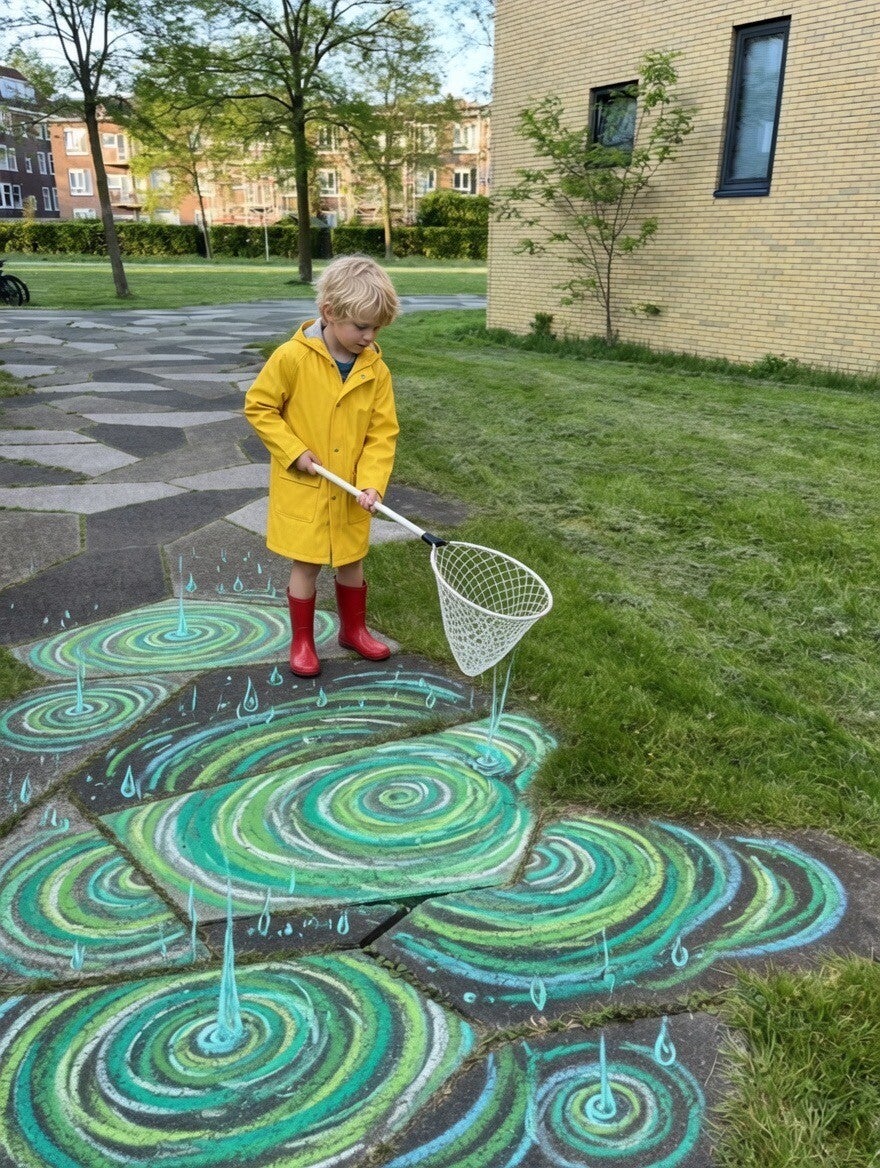
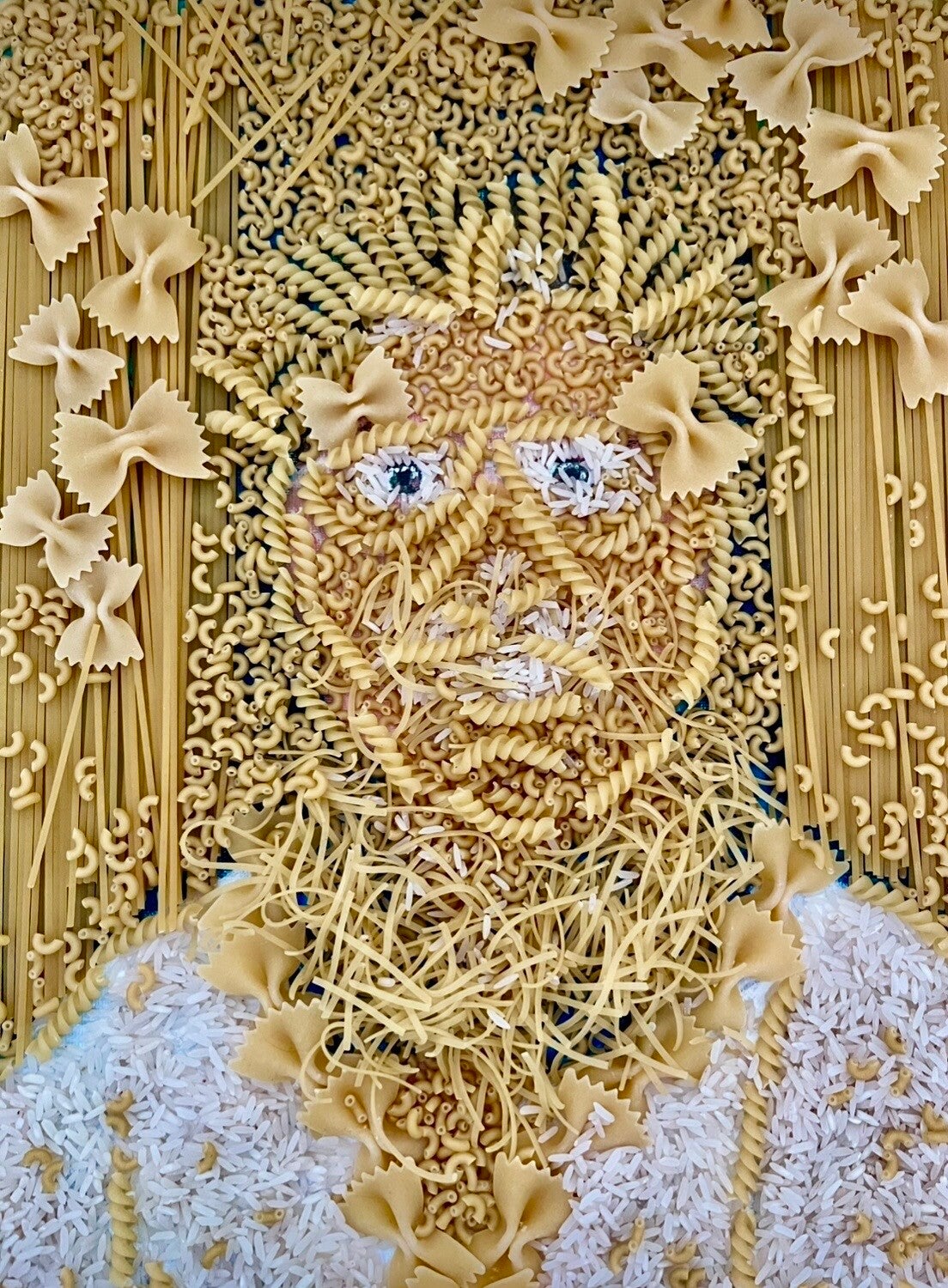
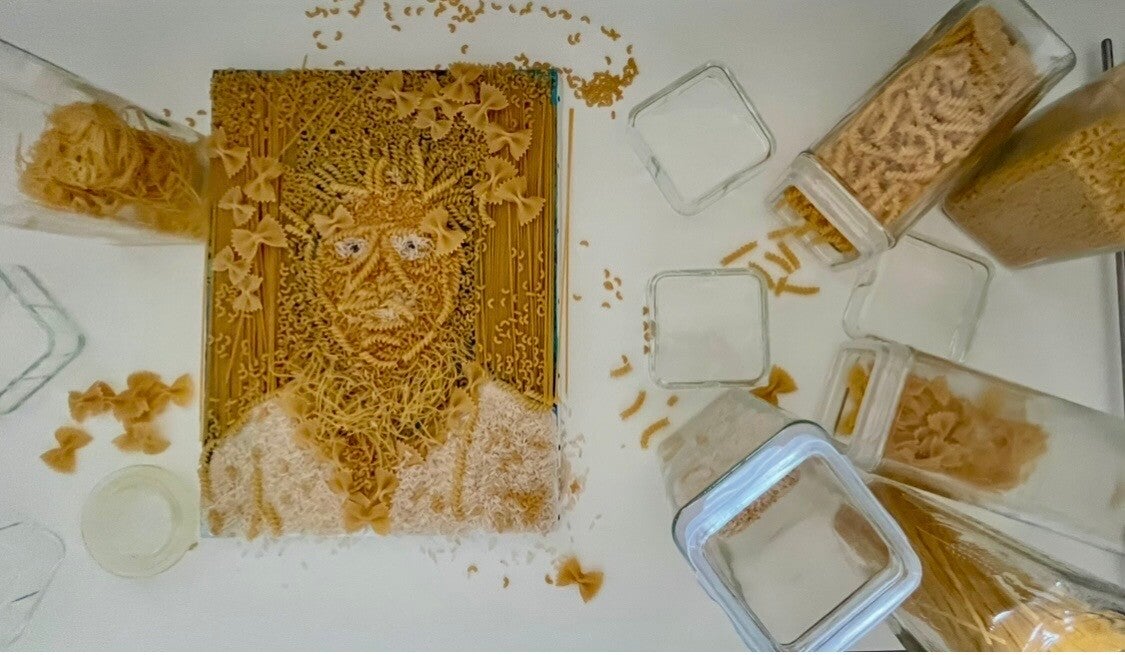
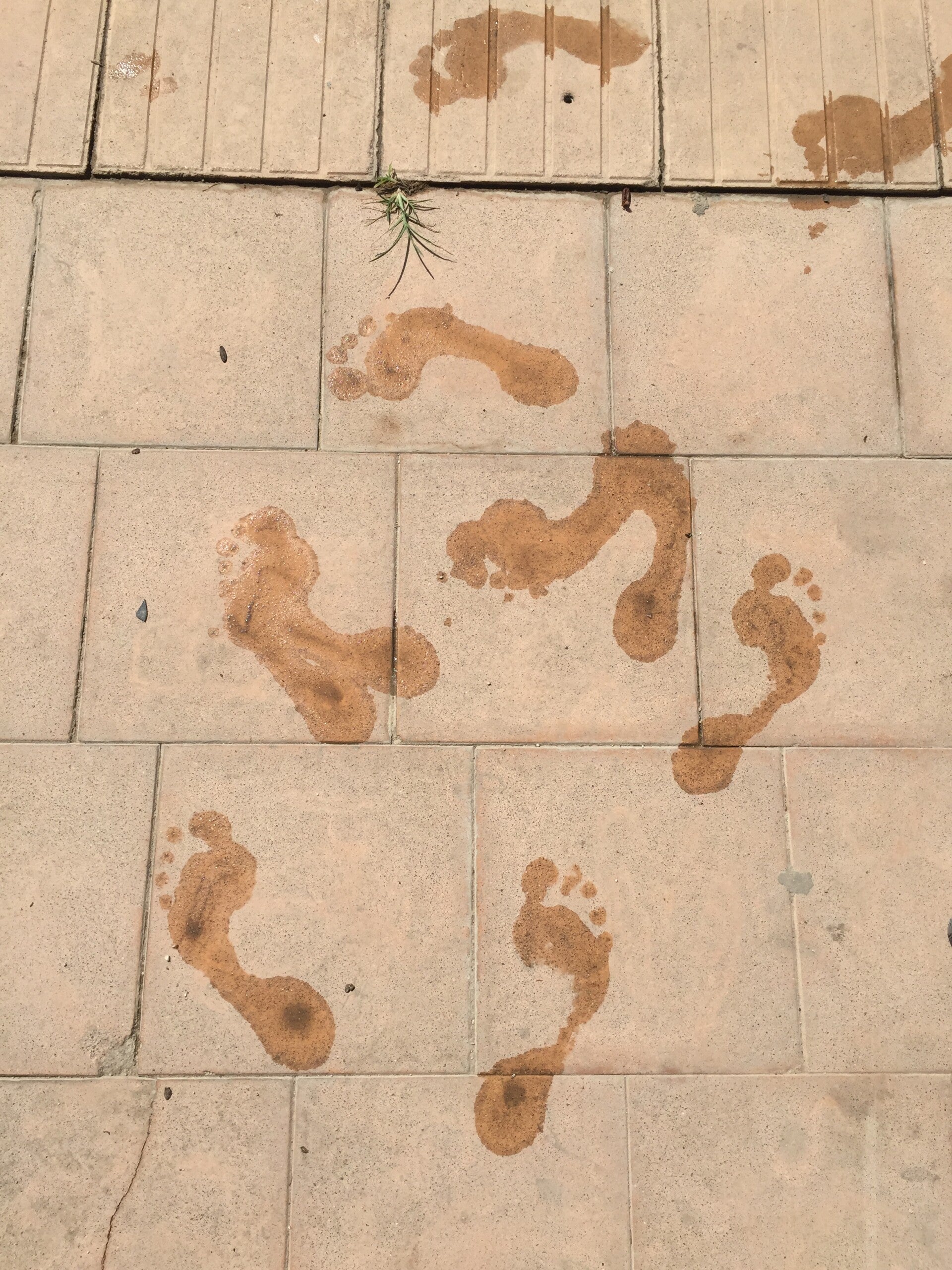
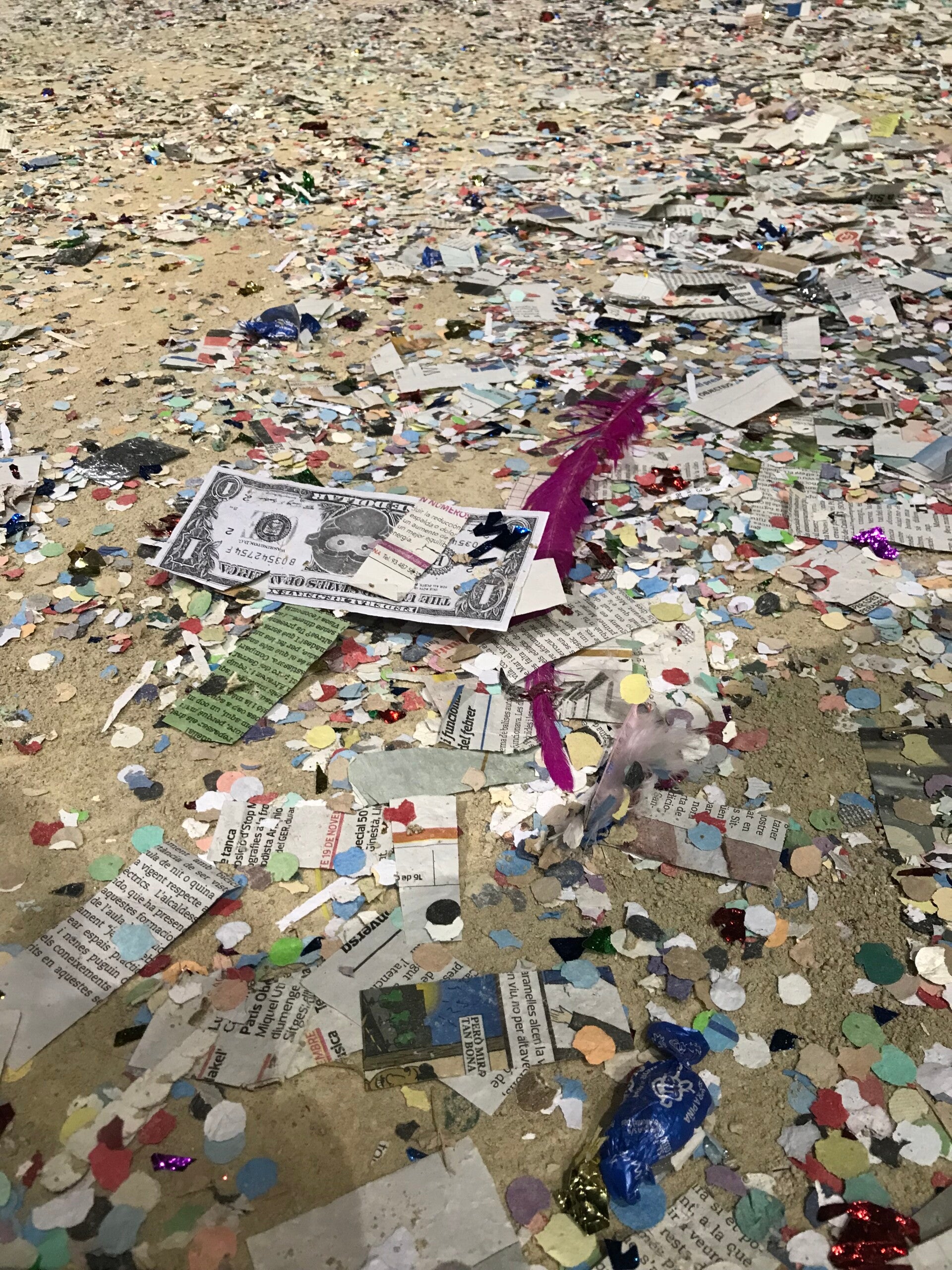
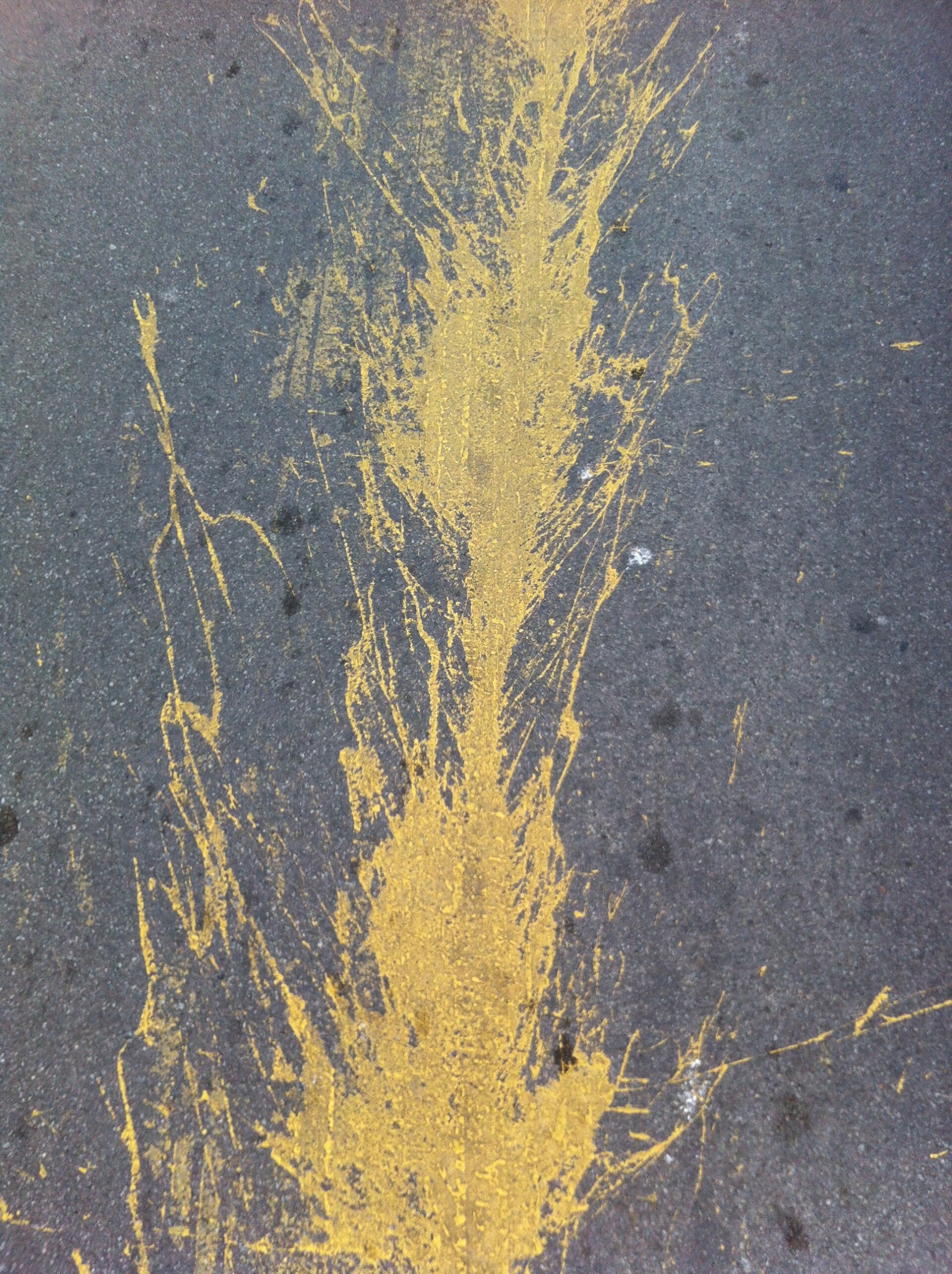
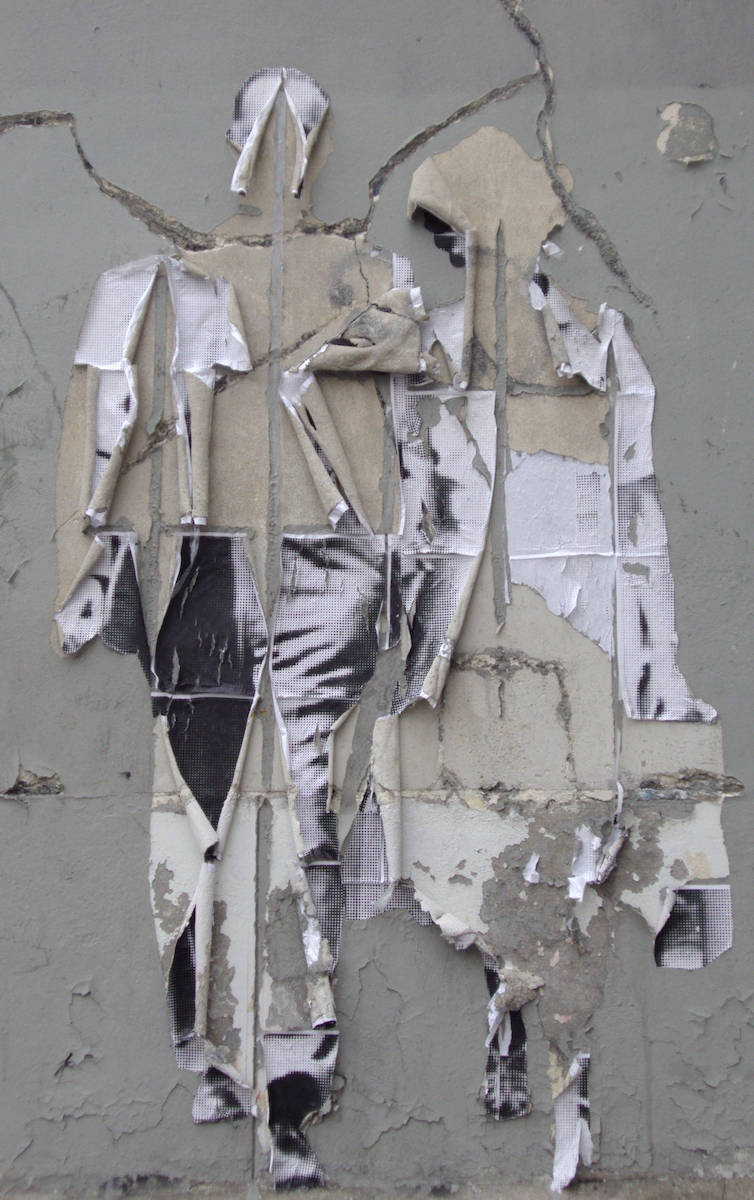
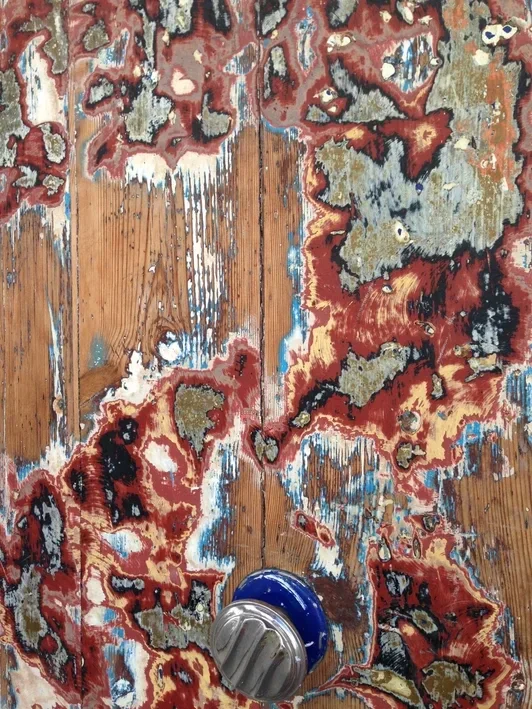
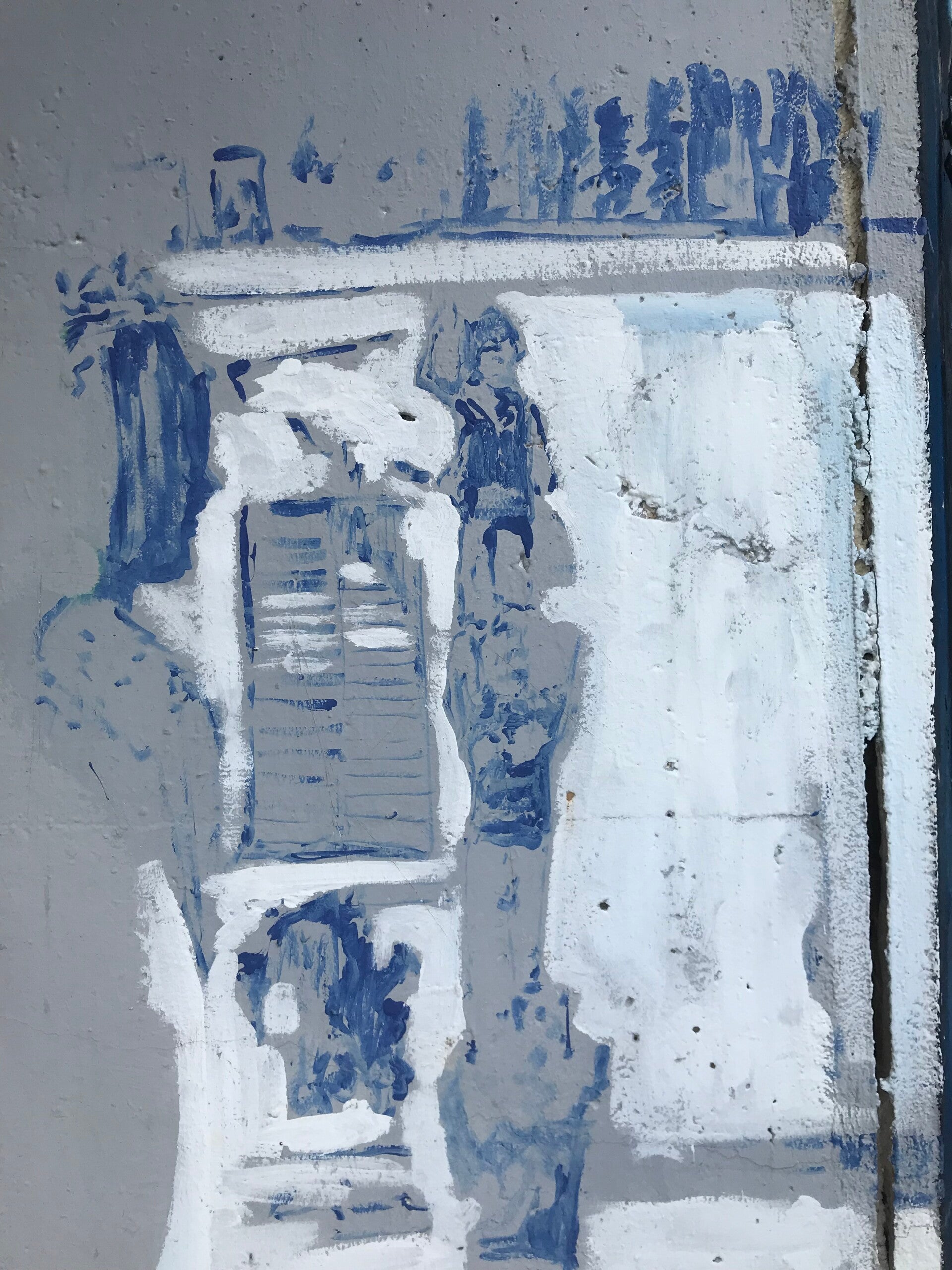
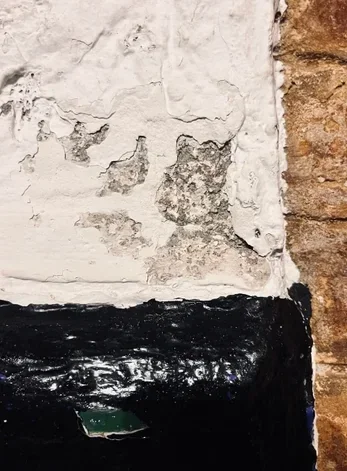
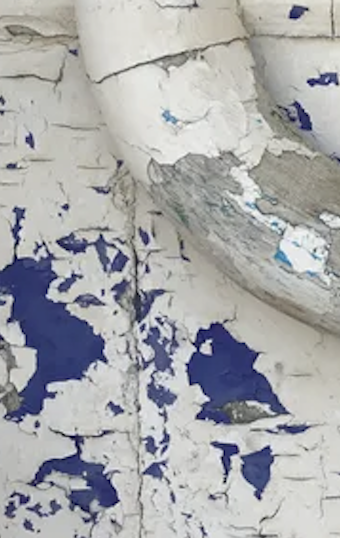
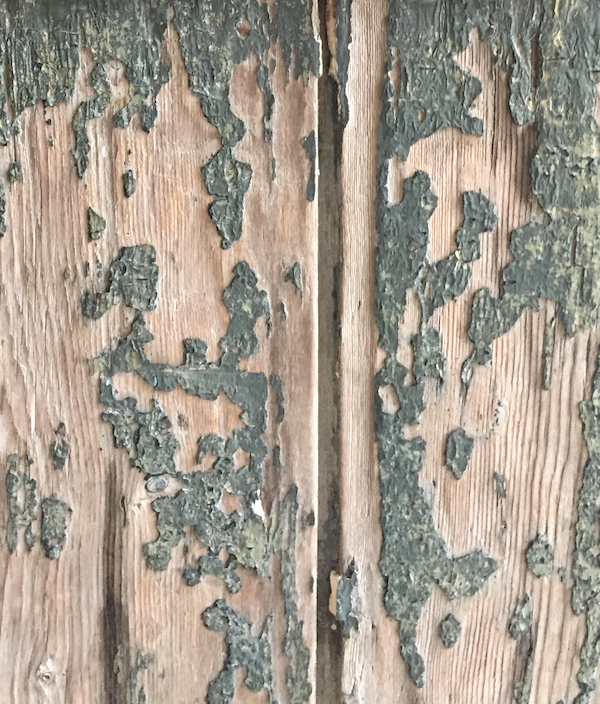
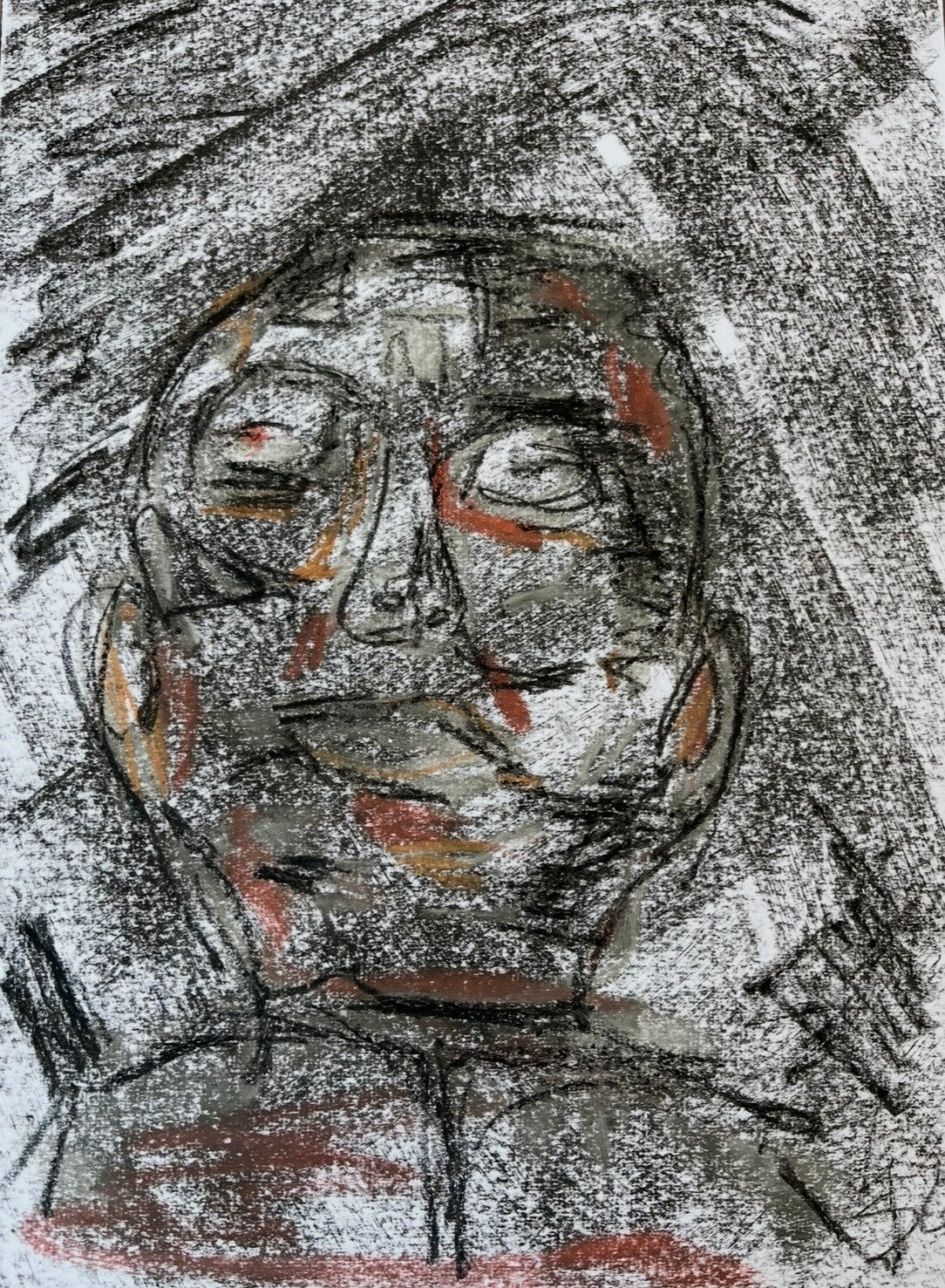
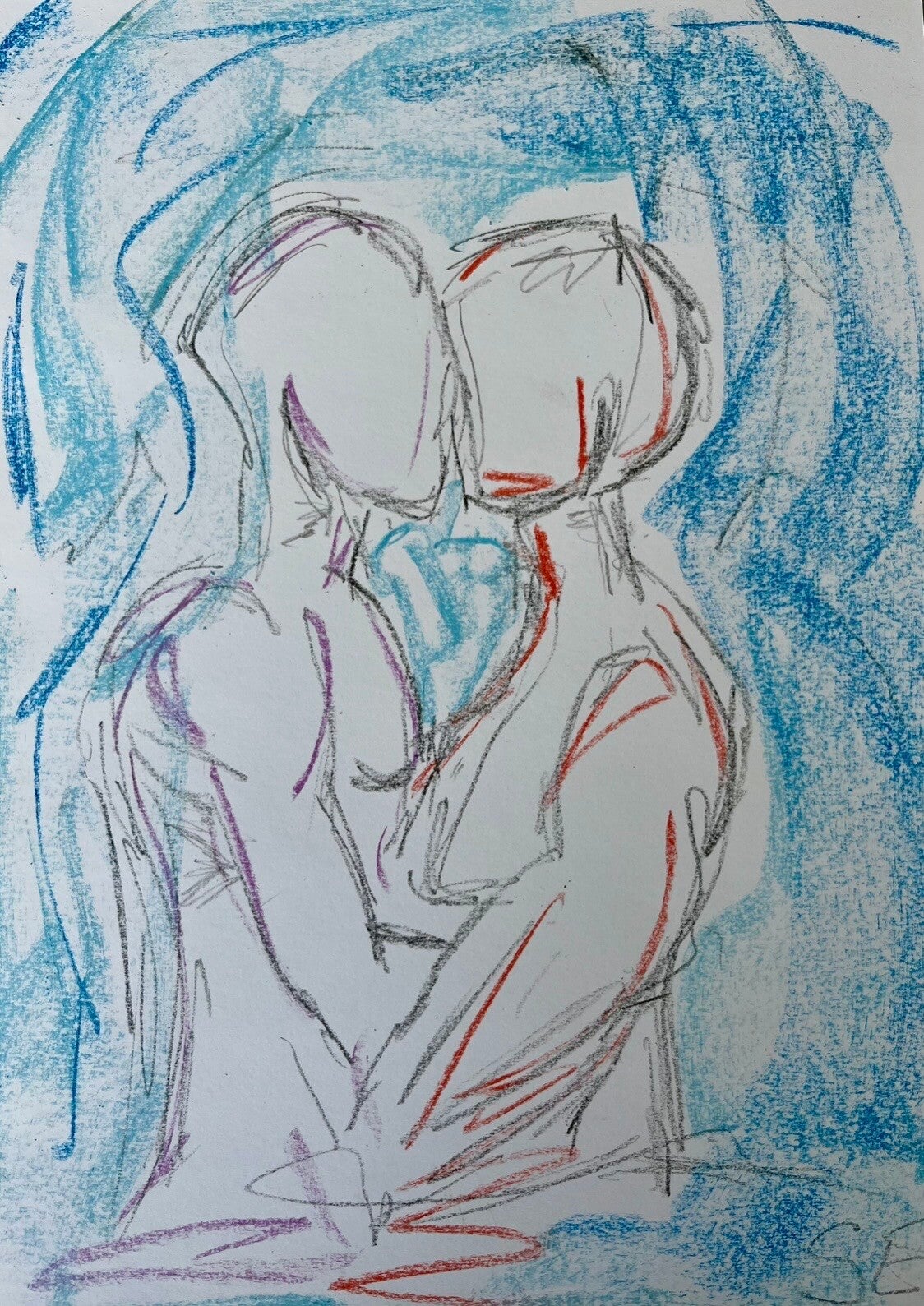
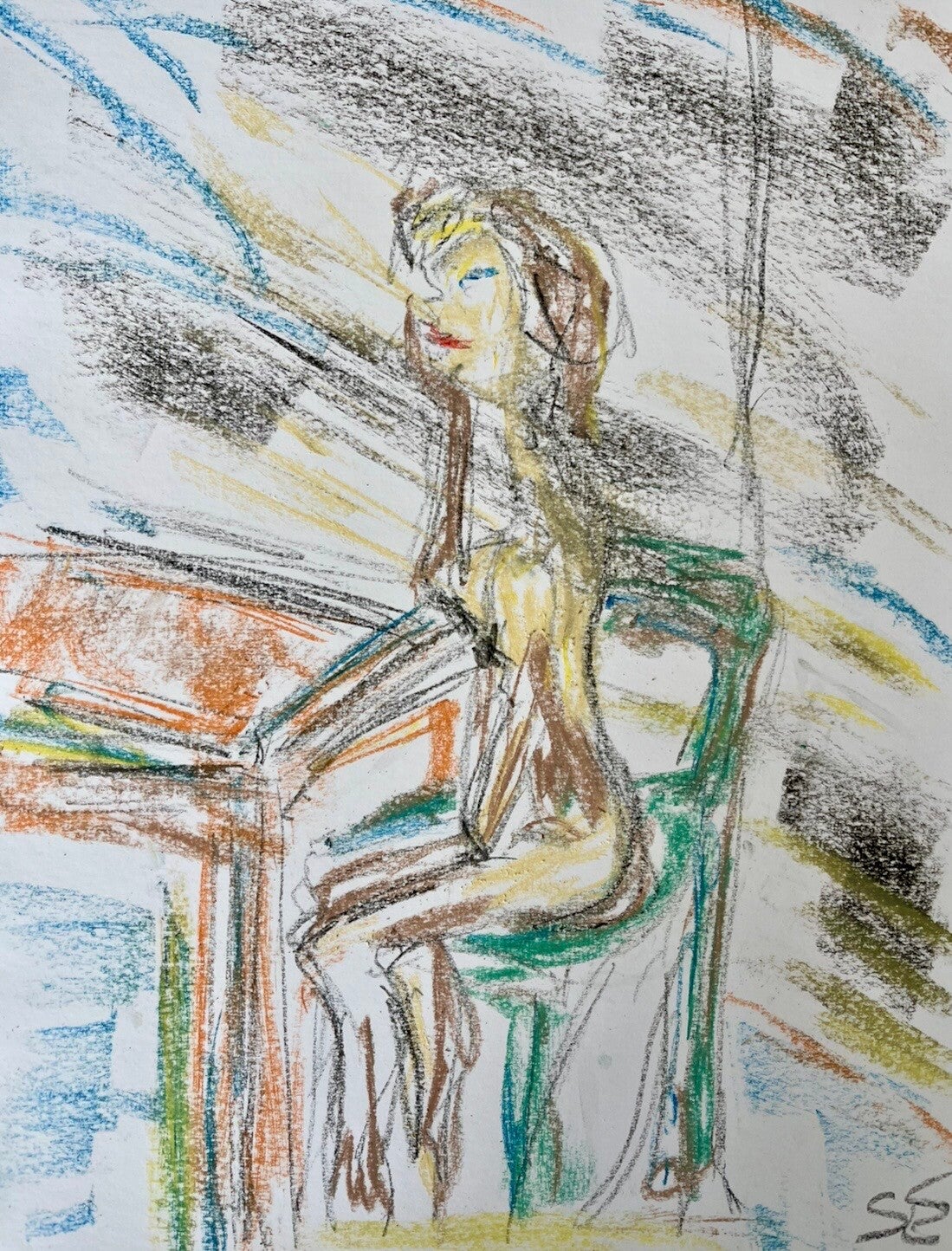
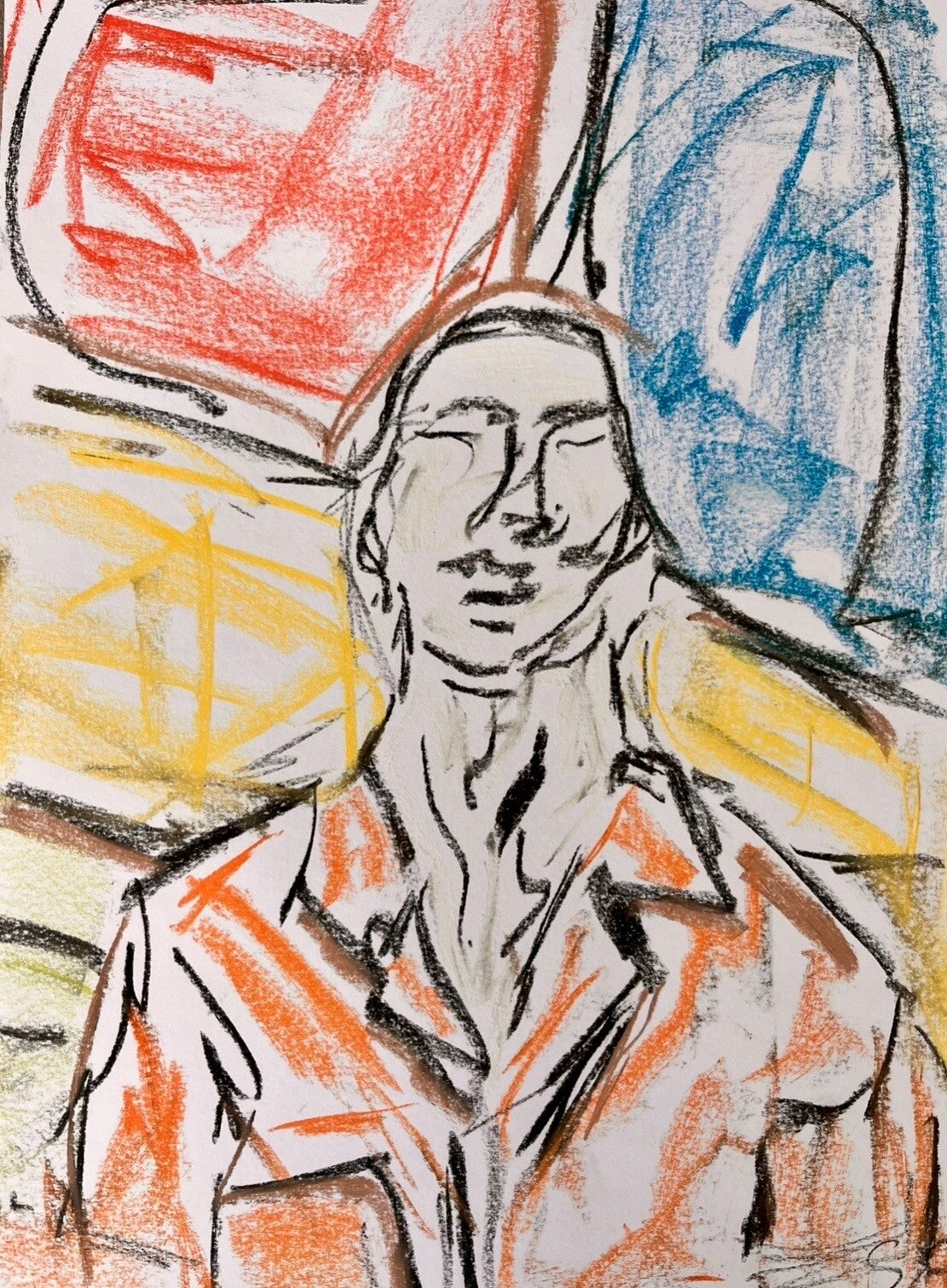
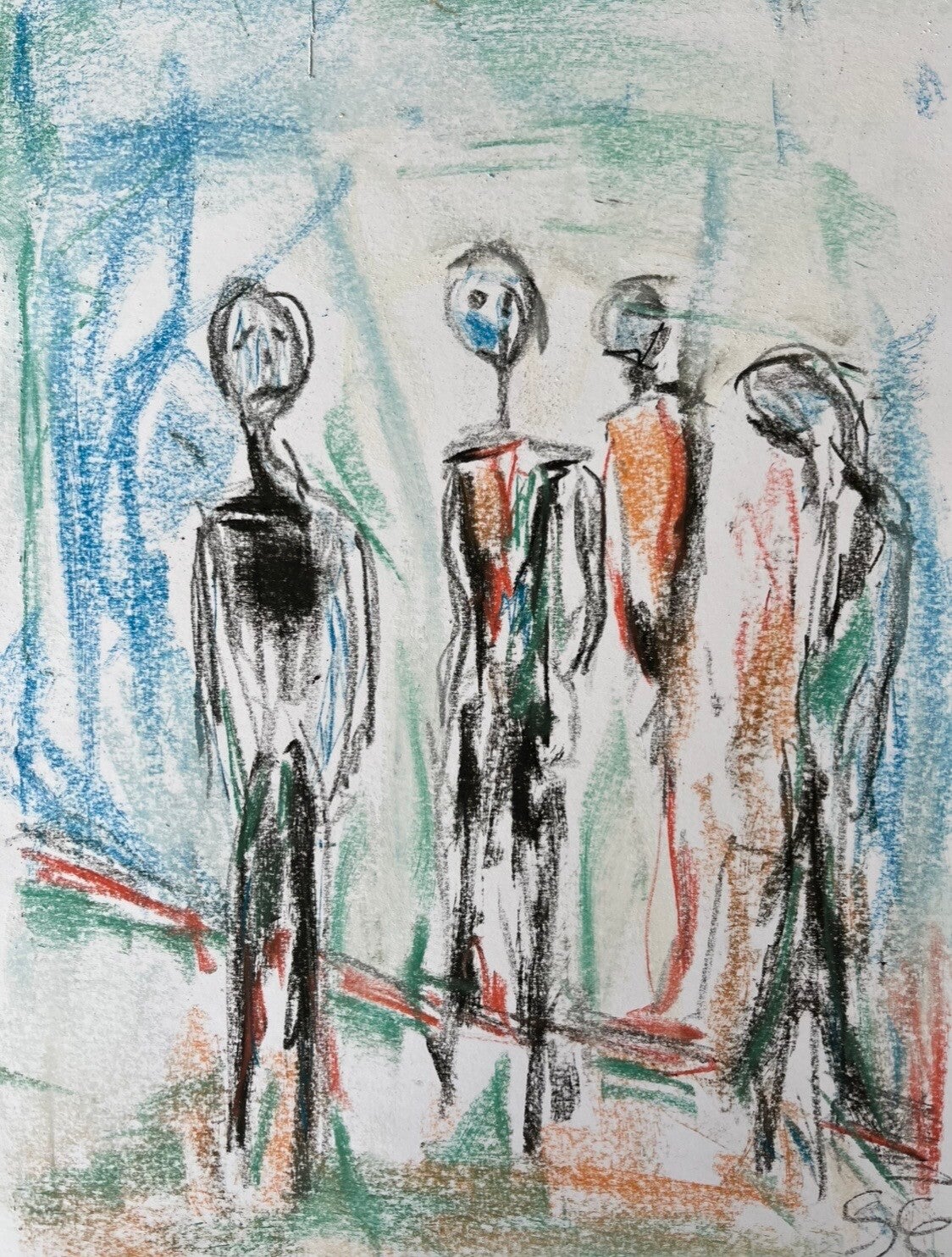
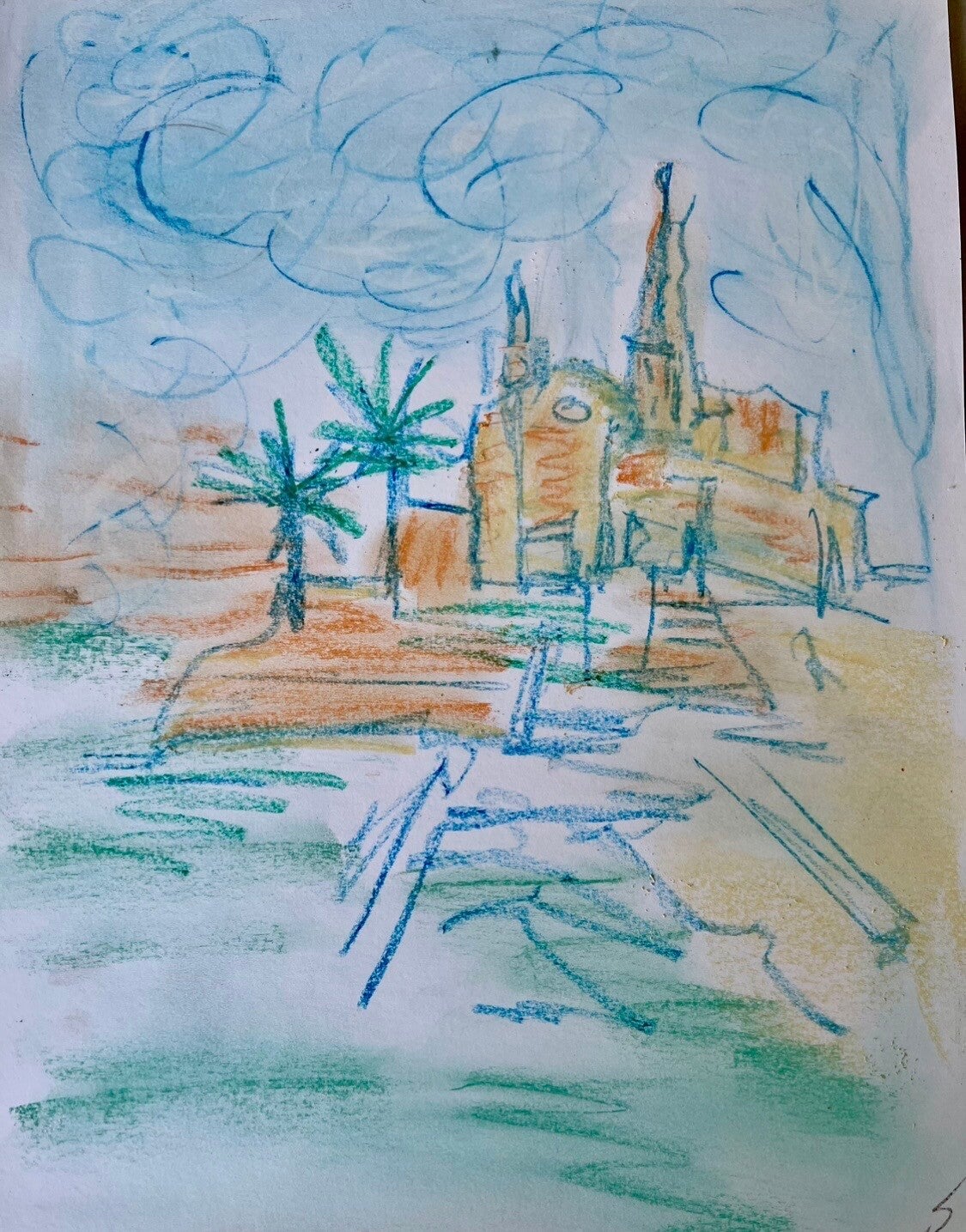
Esquina Efímera, impermanence is not treated as loss, but as condition: the work exists in transition, questioning the idea that art must endure physically in order to retain meaning or value. Esquina Efímera reflects on temporary presence.
Esquina Silencio
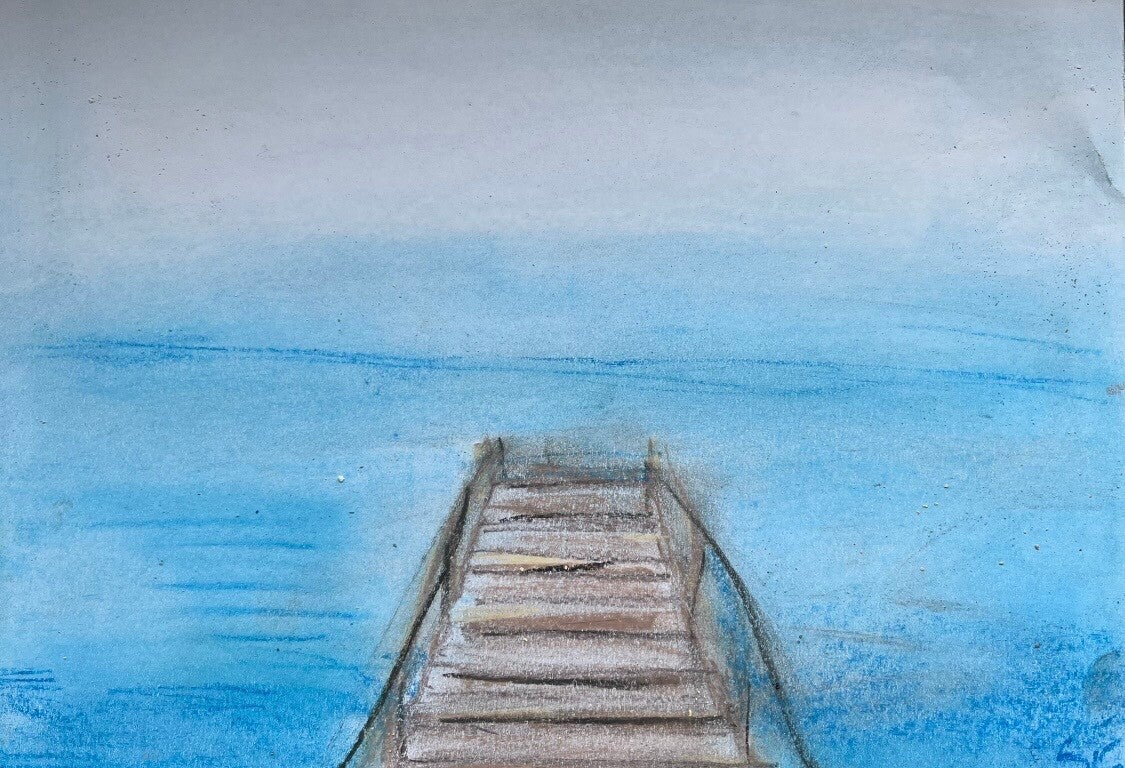
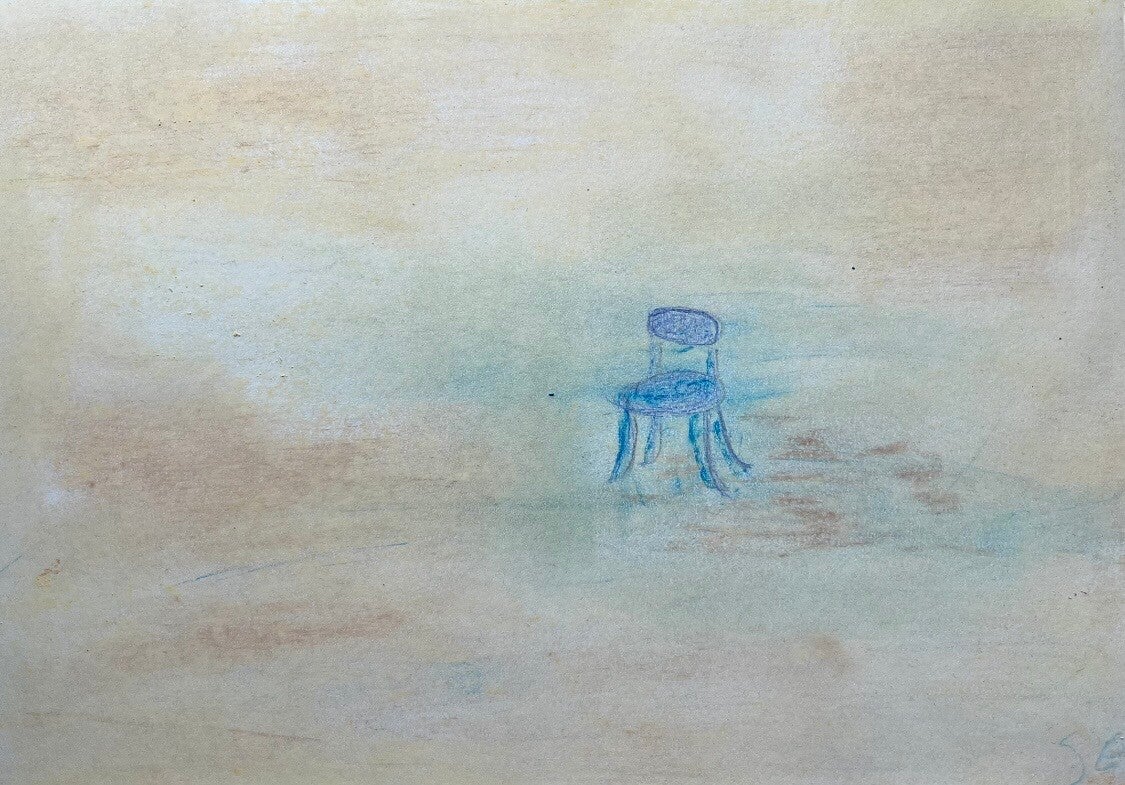
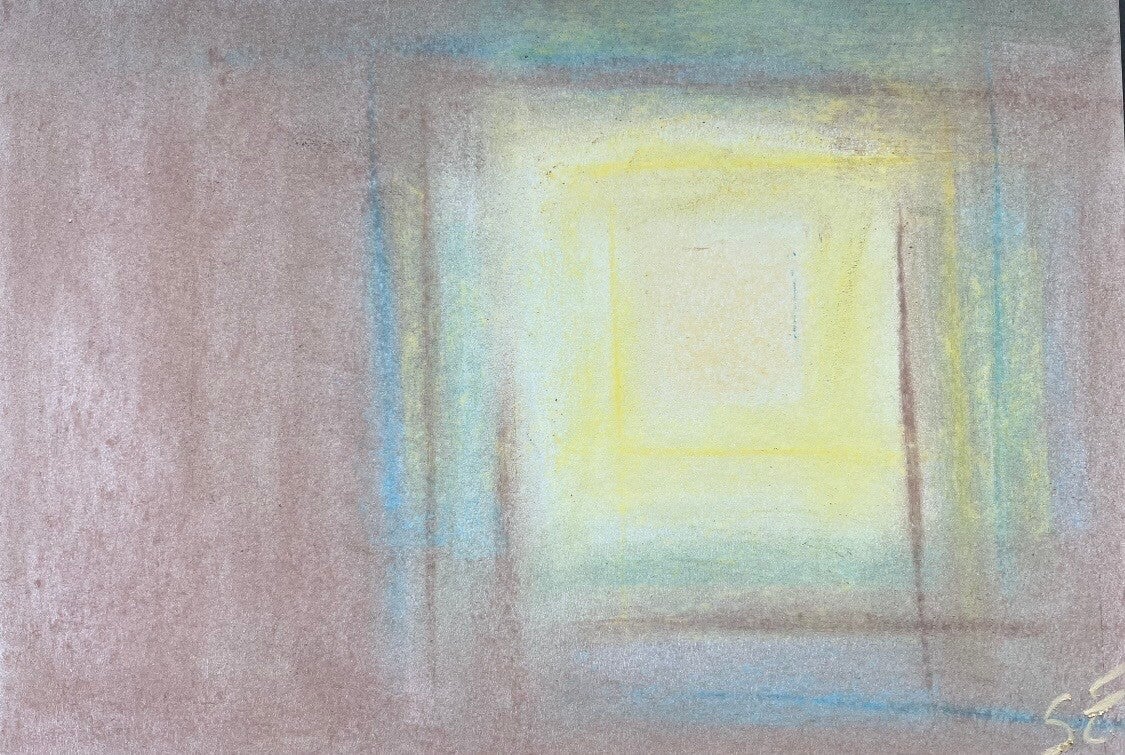
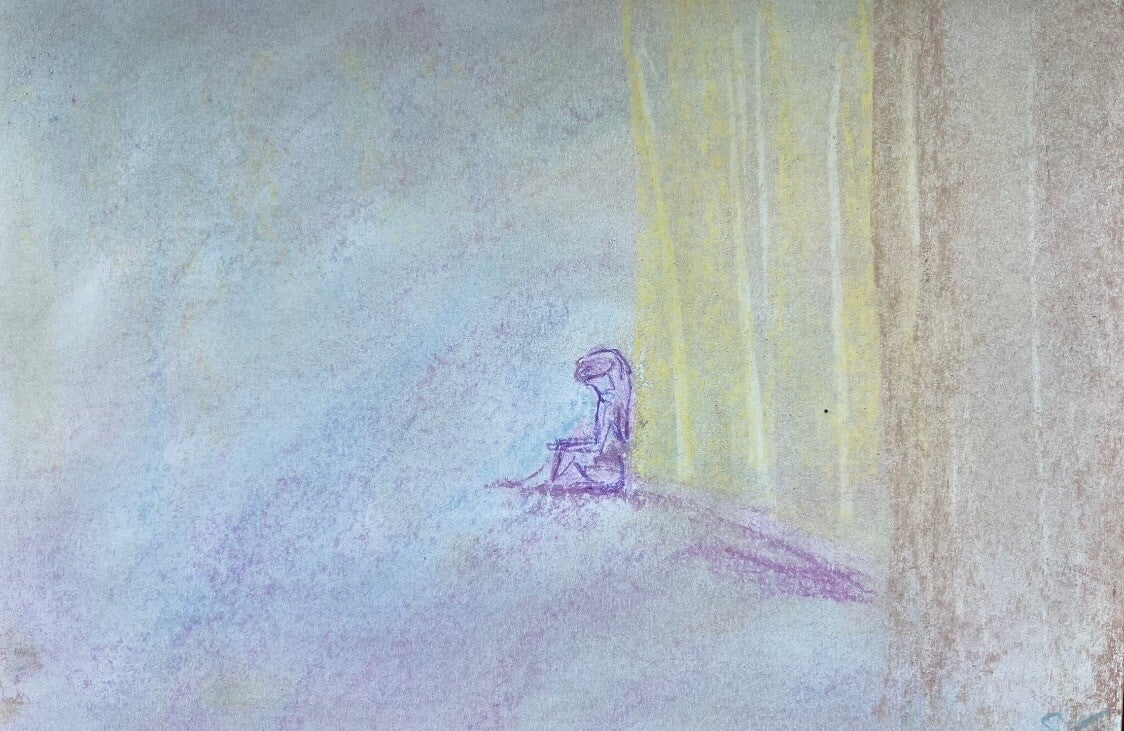
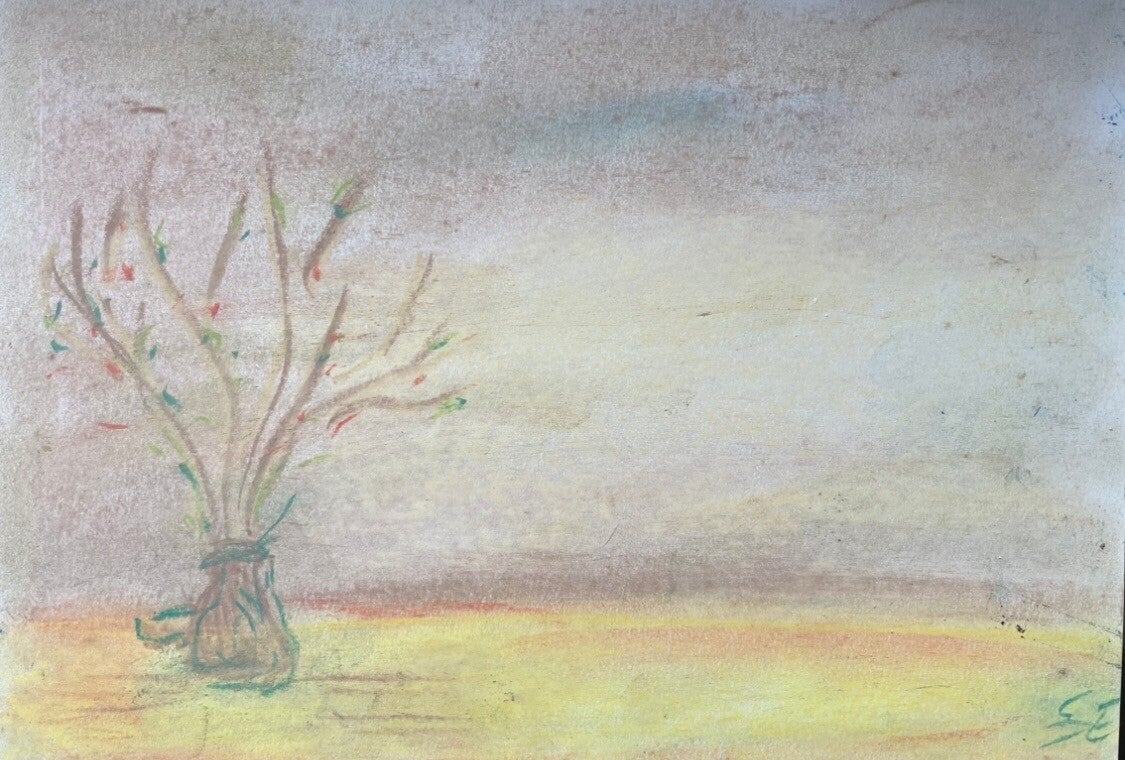
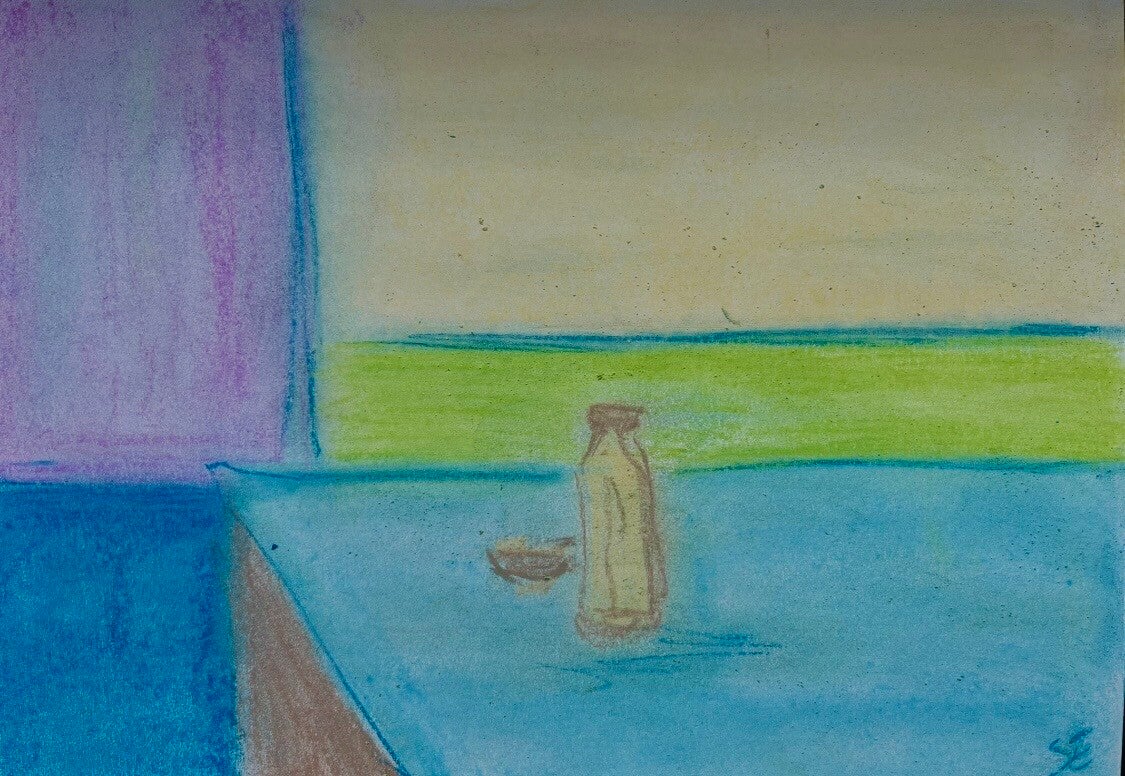
Silence, emptiness and simplicity are central. Within this movement, it is not about spectacle or perfection, but about atmosphere, slowness and the power of absence. Through minimal imagery, soft colors, and open spaces, art emerges that is meant to be felt more than explained.
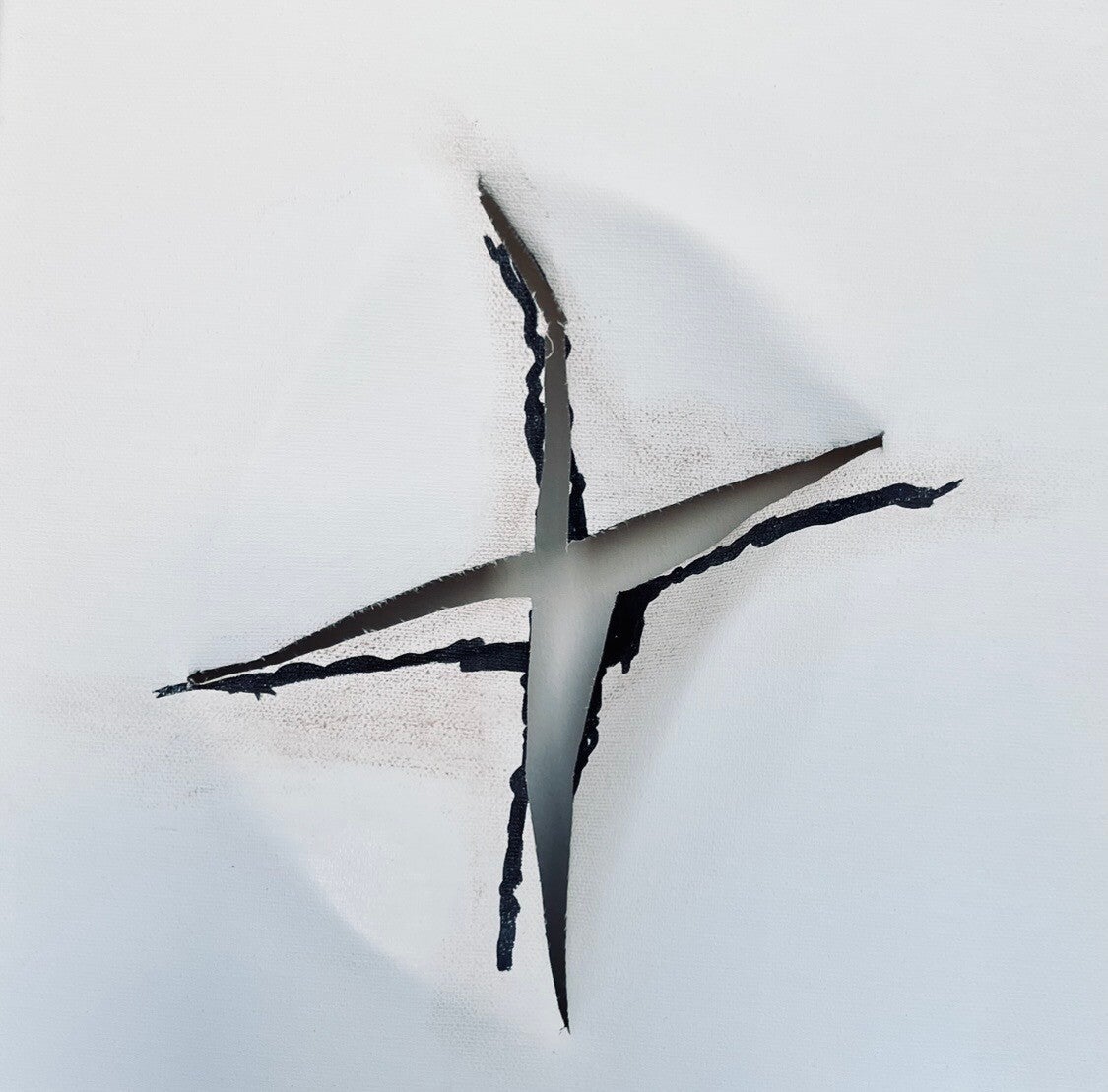
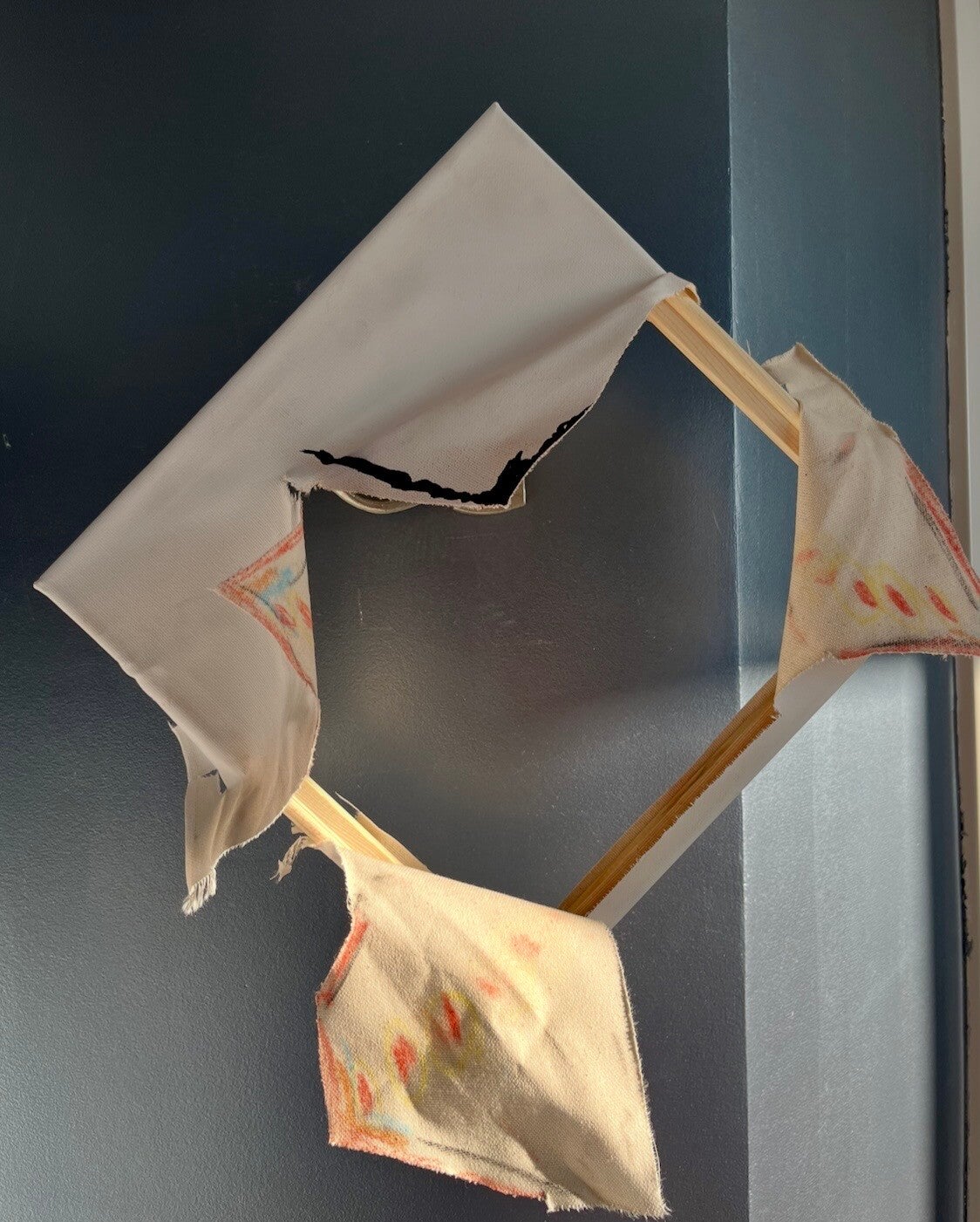
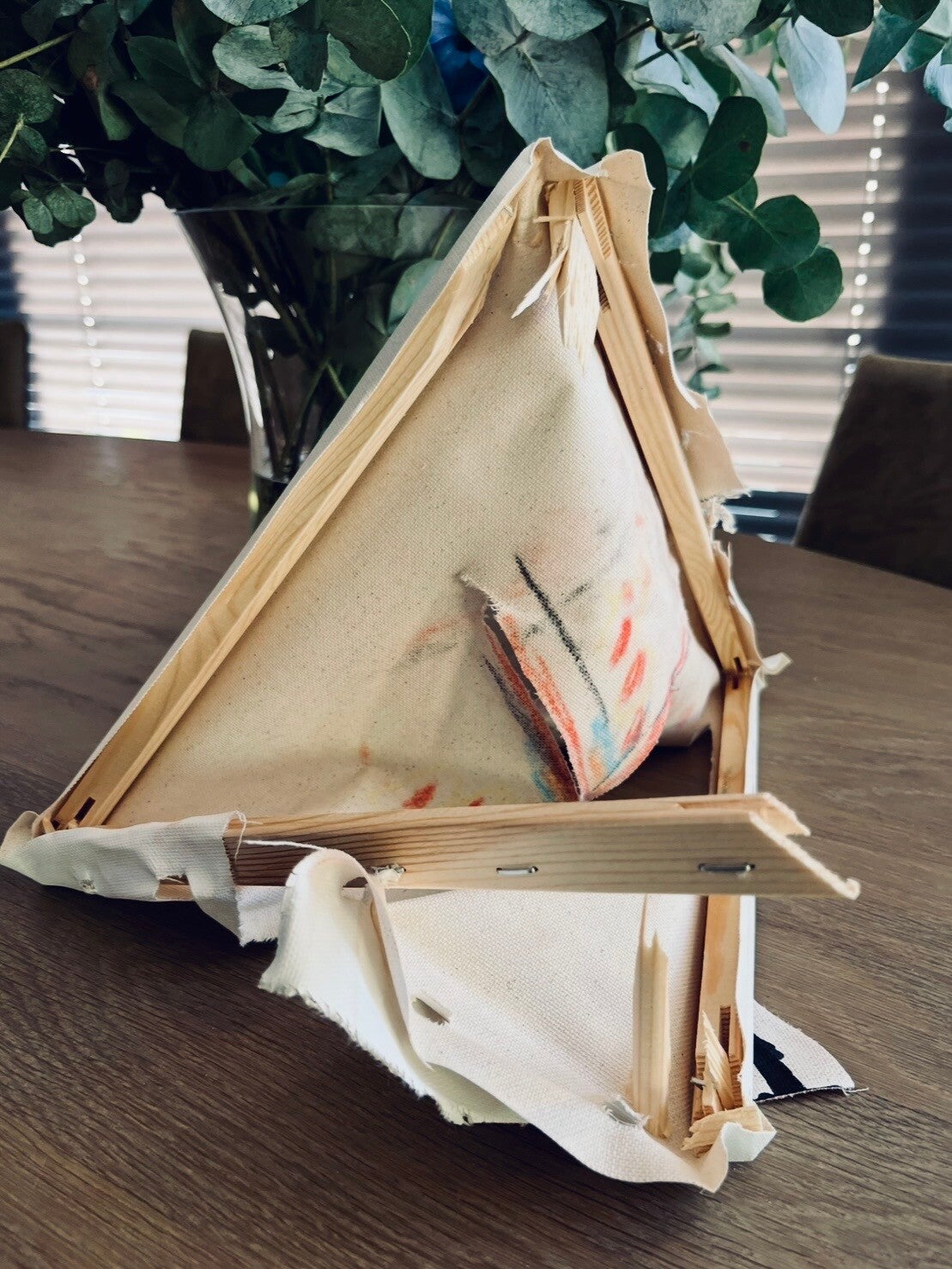
Esquina Anti Pictórico
Dismantles the traditional painting.
Canvas, frame and paint are separated, allowing painting to exist beyond the closed and commercial art object.
The work shifts from image to presence.
What remains is the essence of painting, without the painting itself.
Esquina, El Señor De Esquina
El Señor de la Esquina is more than a character; he is an archetype of time, observation and human presence. As a silent witness at this intersection of time, he turns every street corner into a story about identity.
Esquina Cromáticas
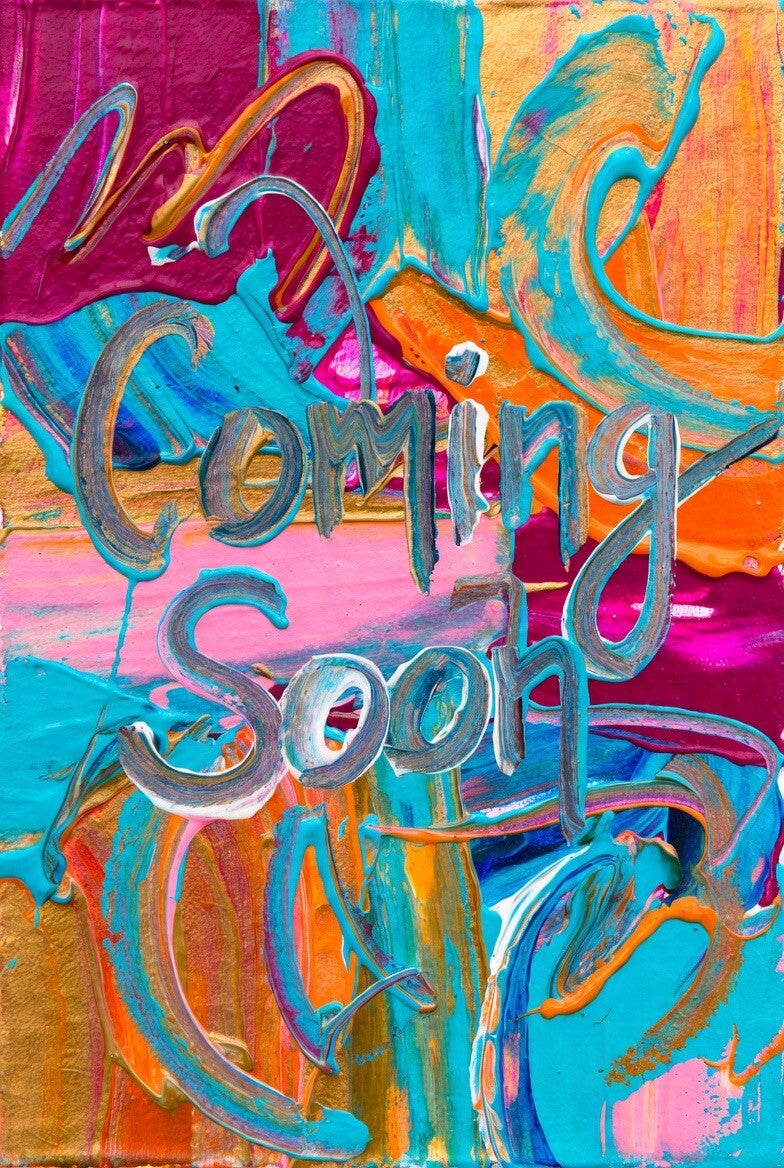
Esquinas Cromáticas explores the interplay of color and form. By isolating corners and color planes, ordinary scenes become minimalist compositions that blur the line between photography and abstract art.